Nike Missiles

Return to Home,
Goto Next Section

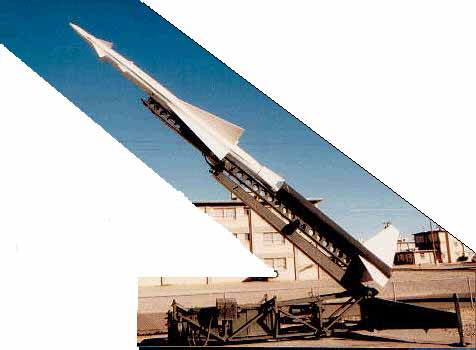
There were two basic types of Nike missiles, the "Ajax" saw service starting in 1953, and the "Hercules" saw service starting in 1958. The Department of Defense formally identifies the Nike missiles as:
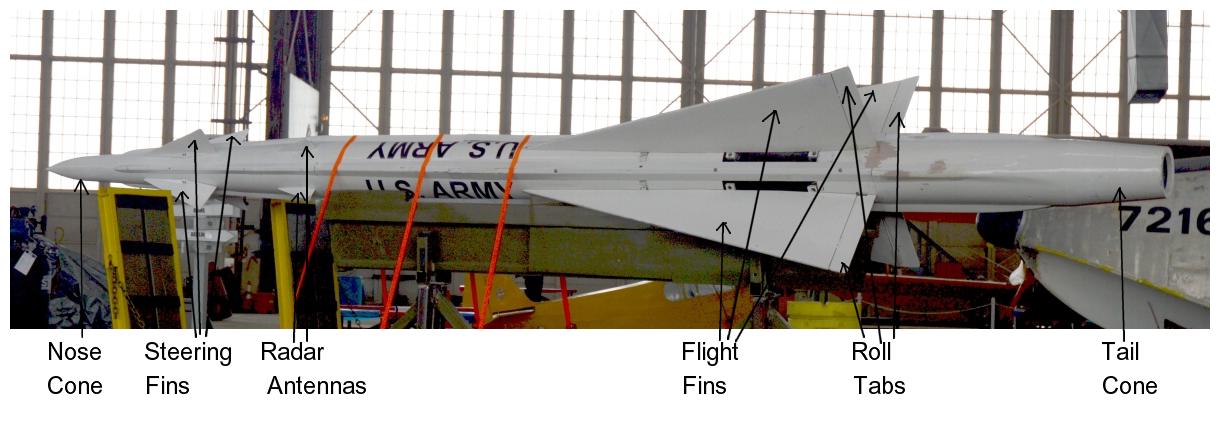
Nike Ajax (with a range of about 25 miles) as MIM-3A
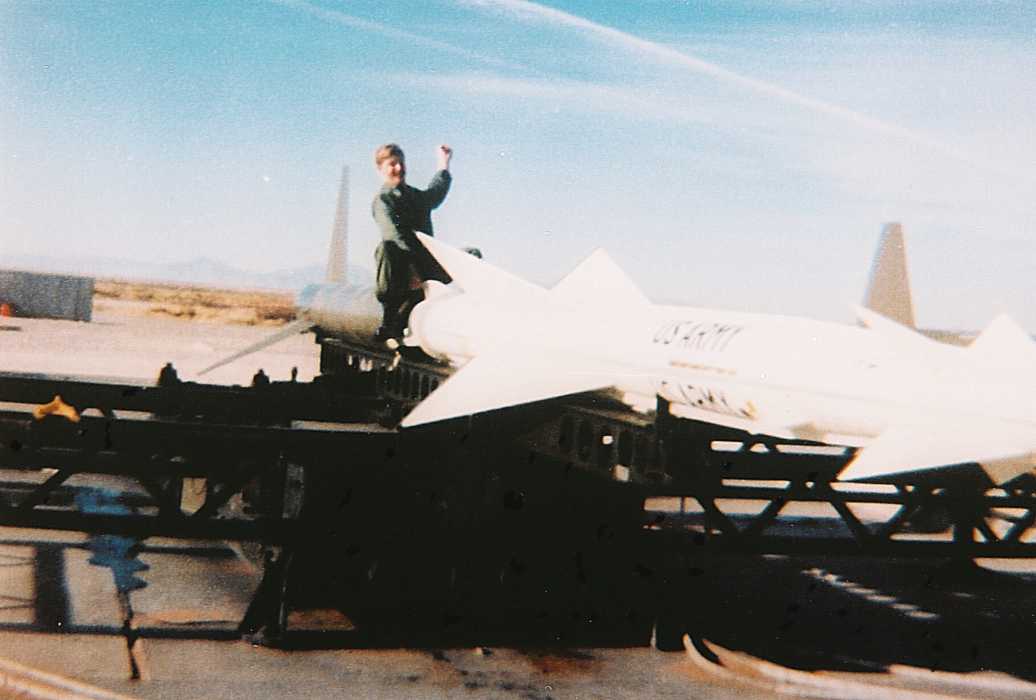
(56K bytes, at ADA Museum, Ft. Bliss, courtesy P.J. Moore)

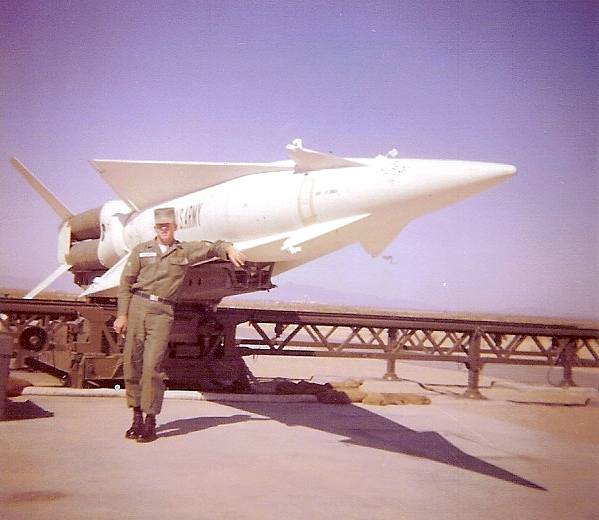
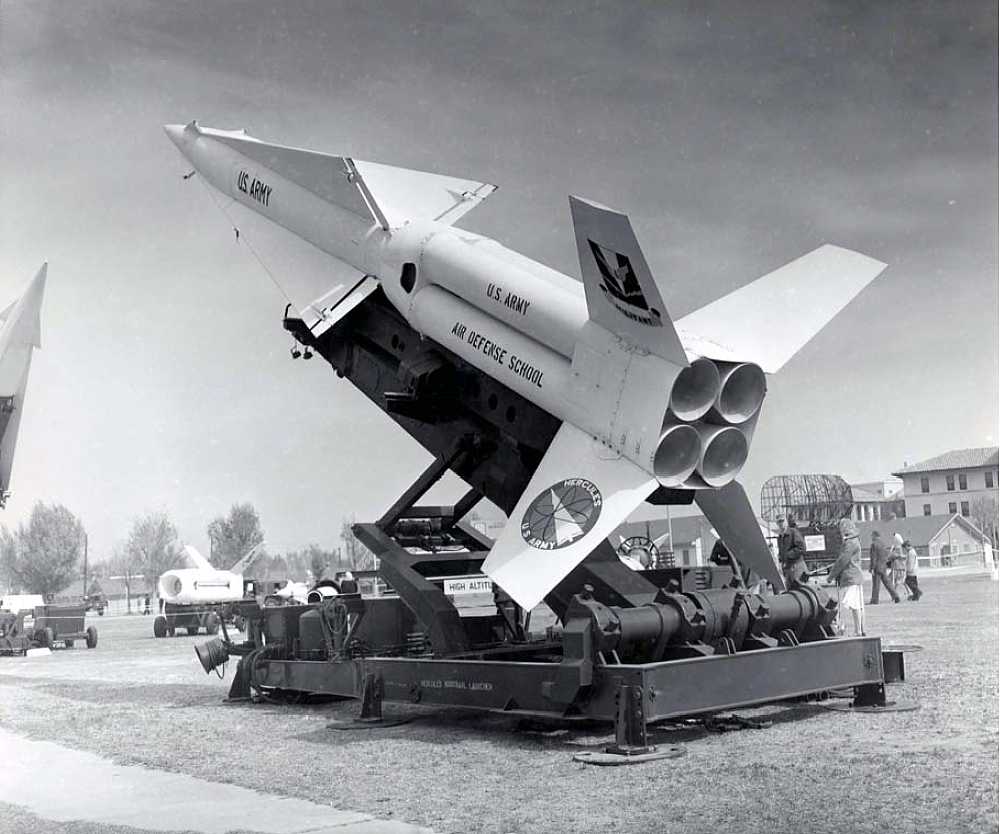
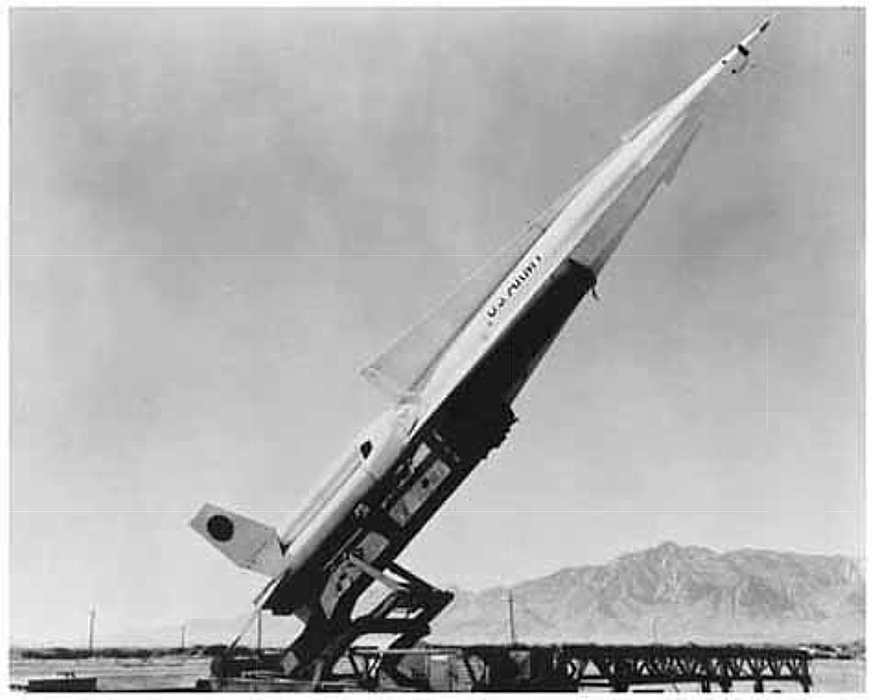
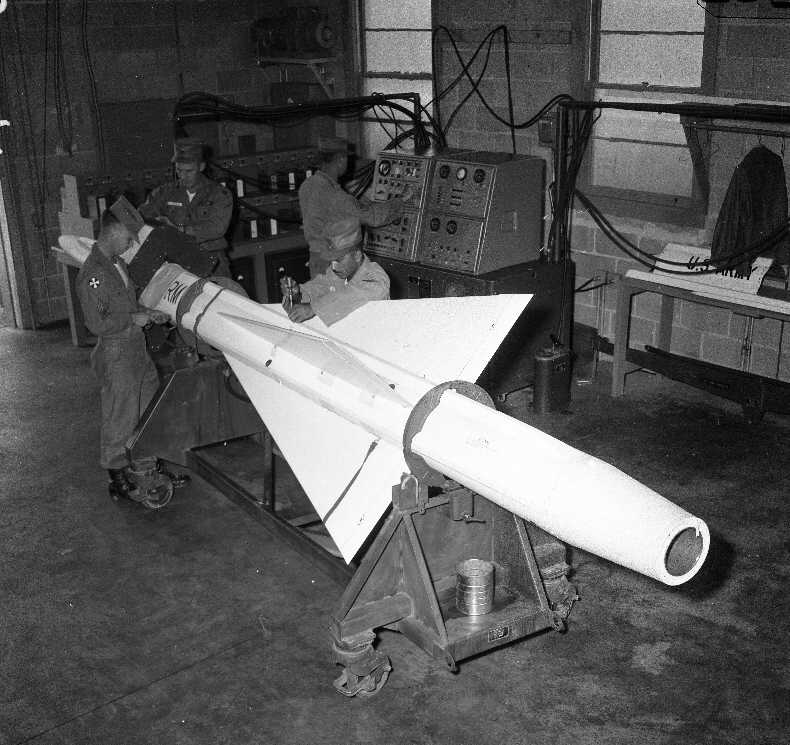
Nike Hercules
(with a range of over 75 miles) as MIM-14A and MIM-14B (40K bytes, Ft. Bliss, Tx, courtesy Jim Warren of Jim's father, June 1960)
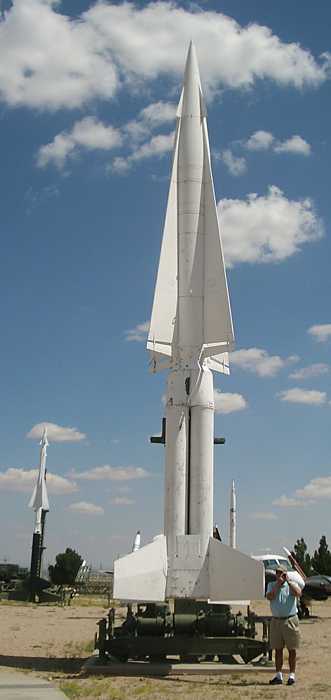
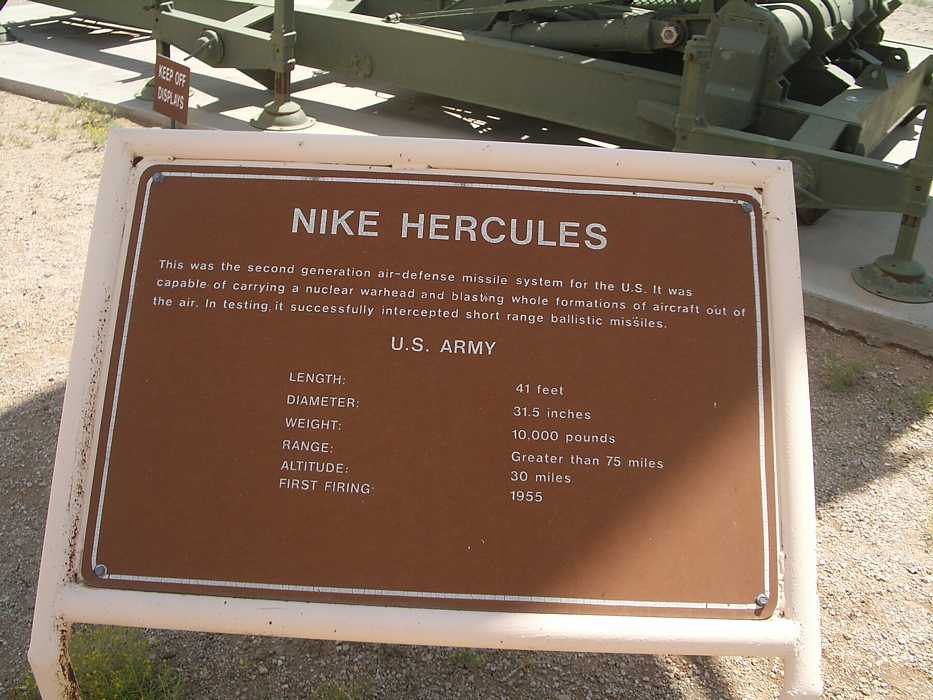
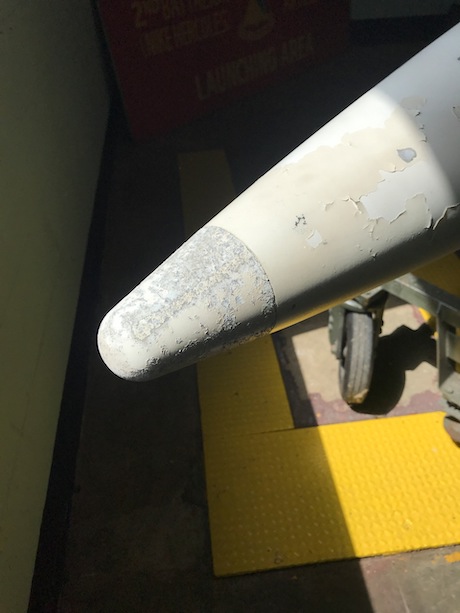
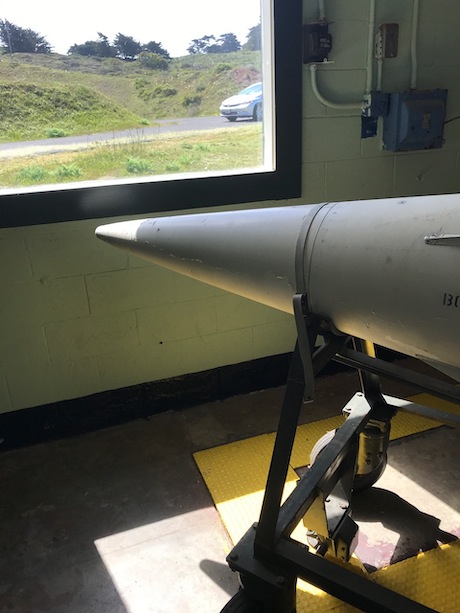
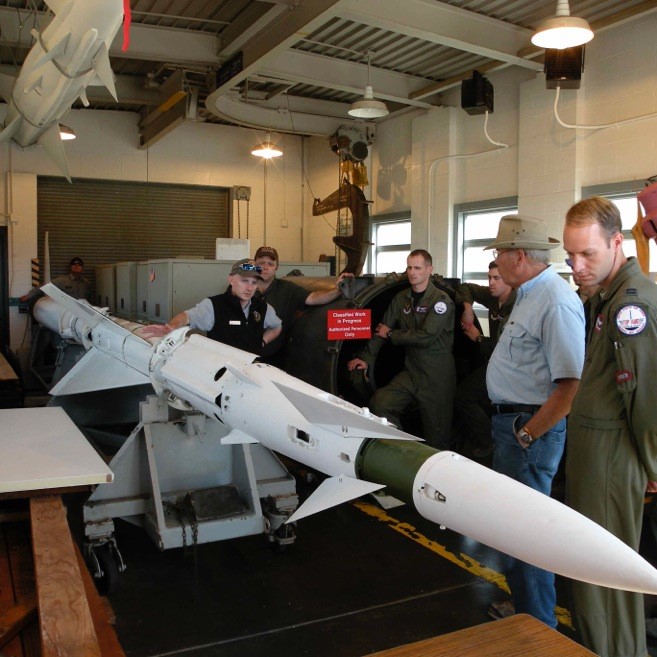
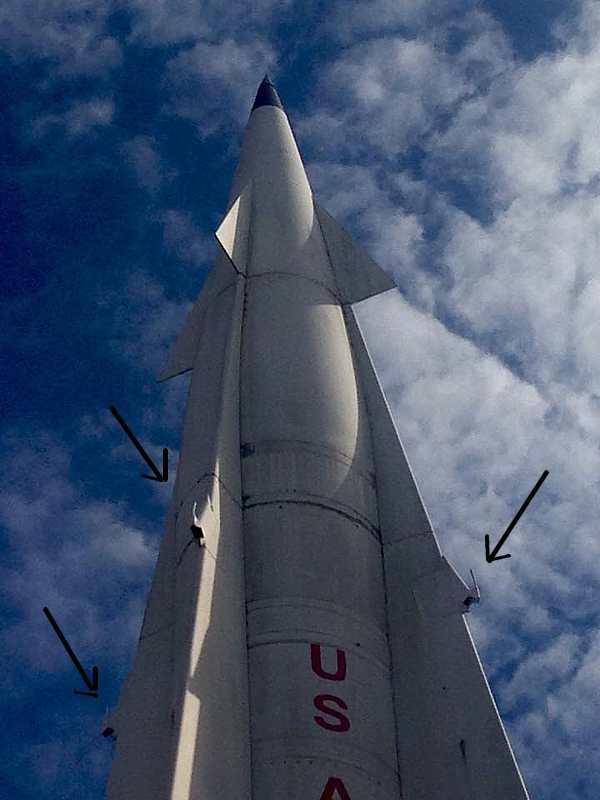
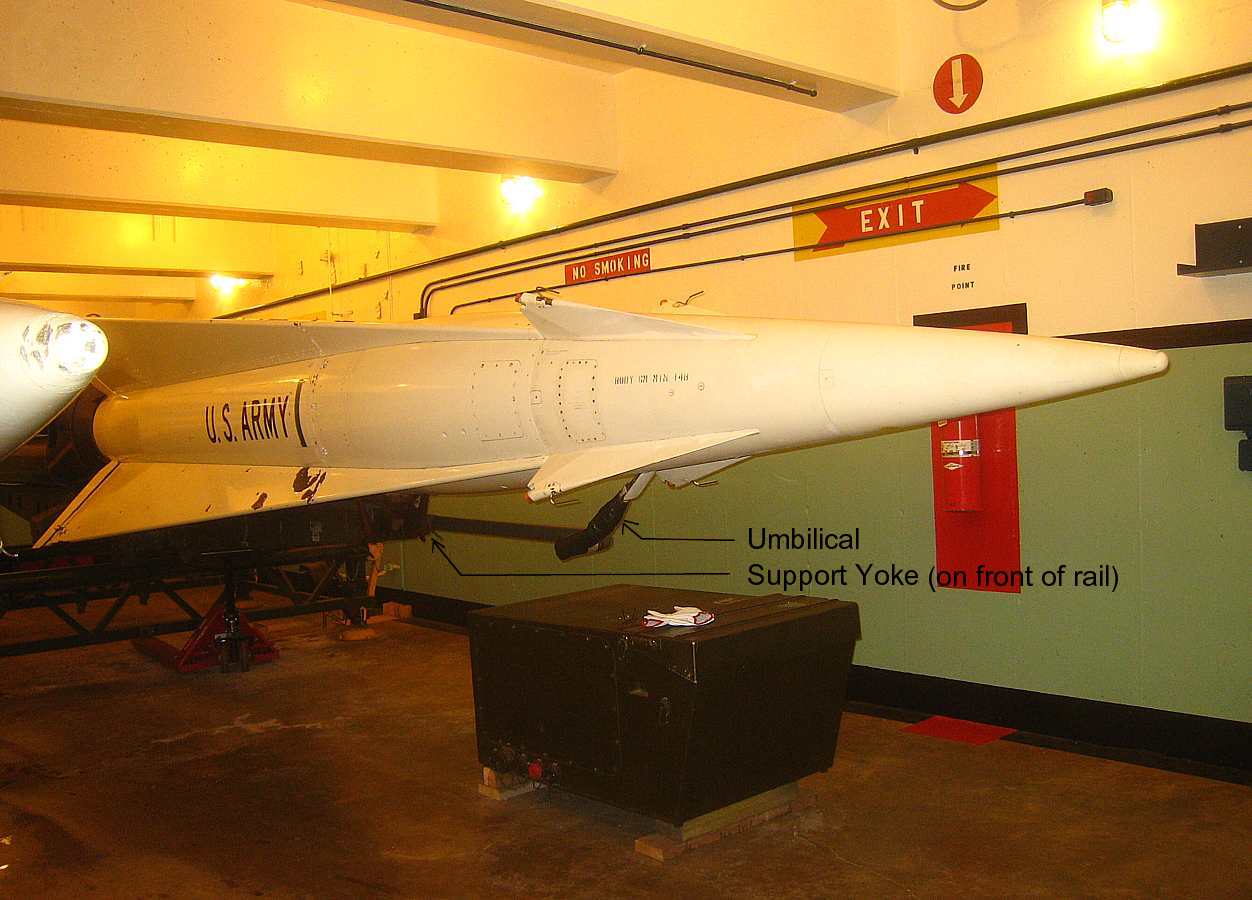
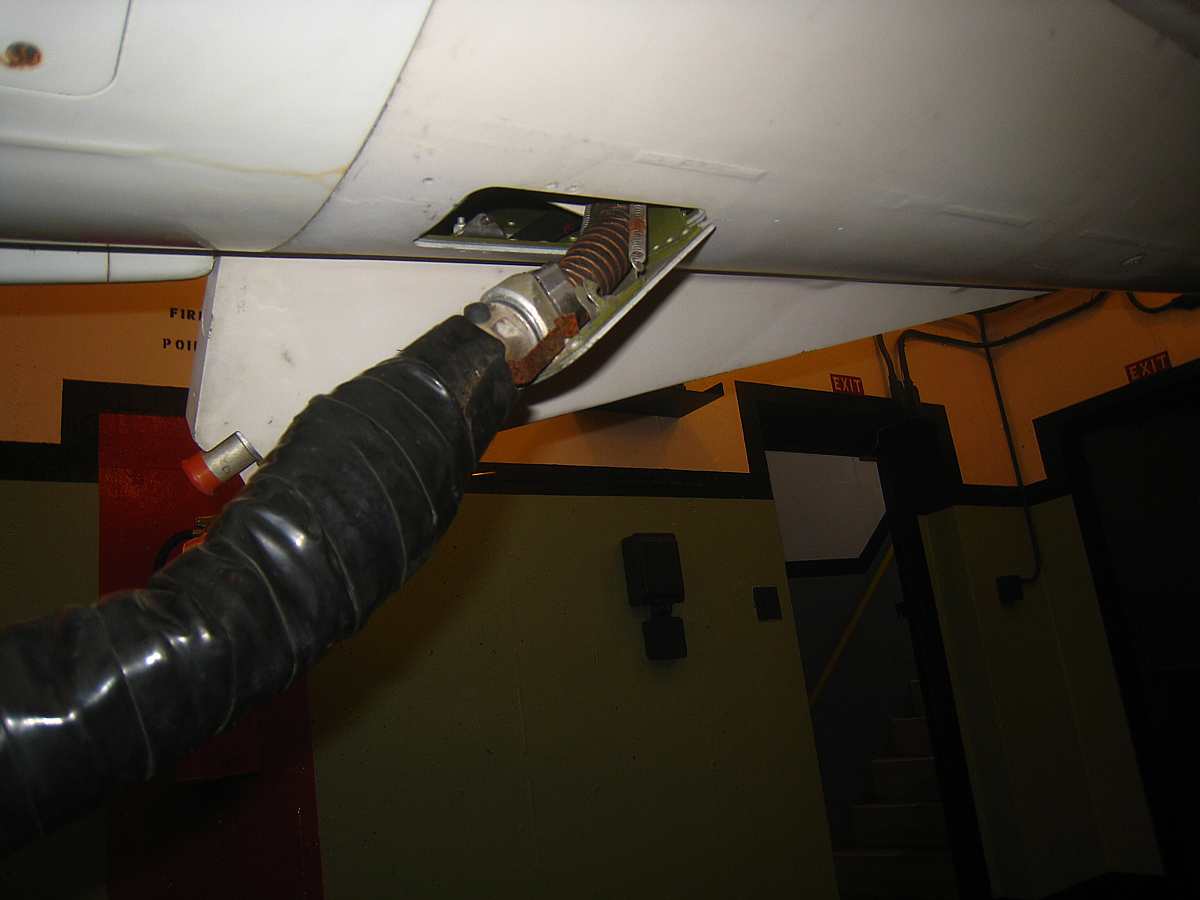
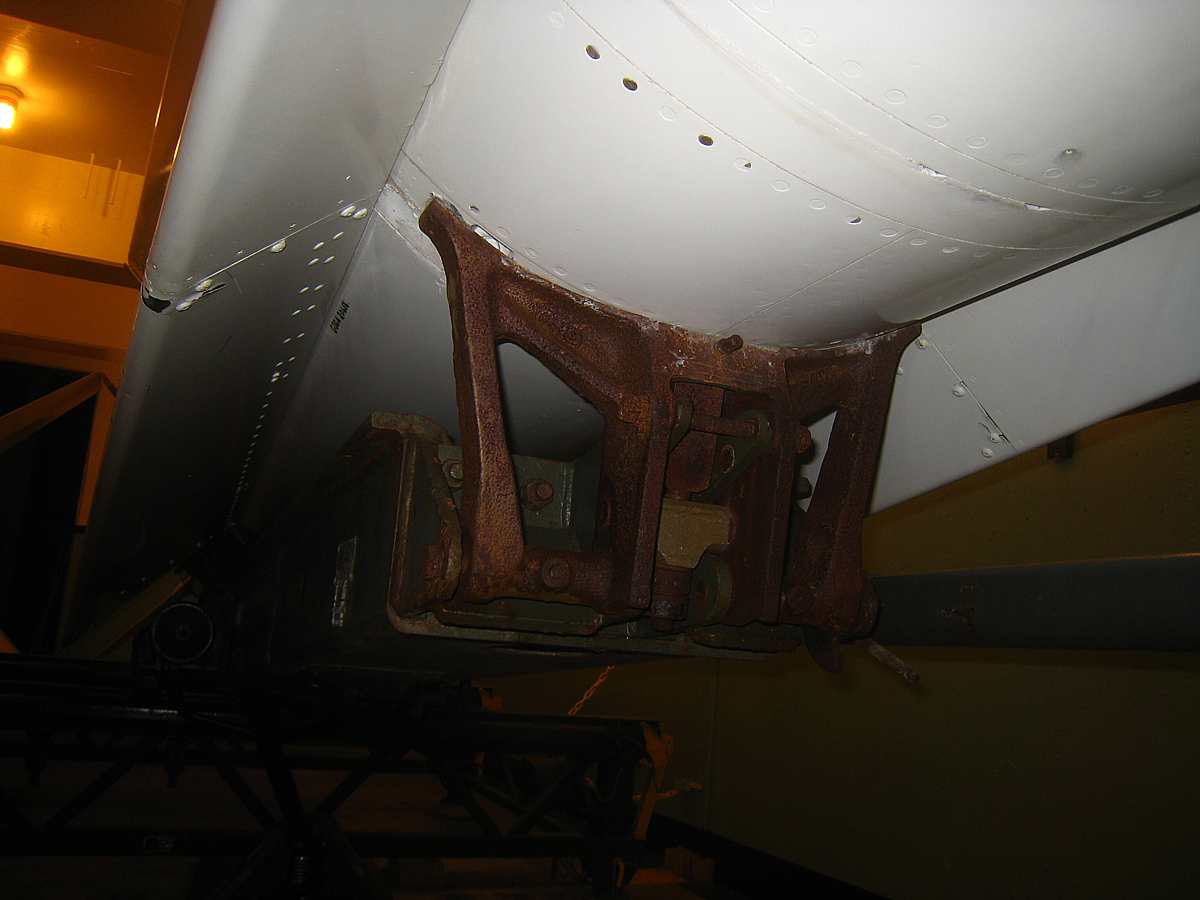
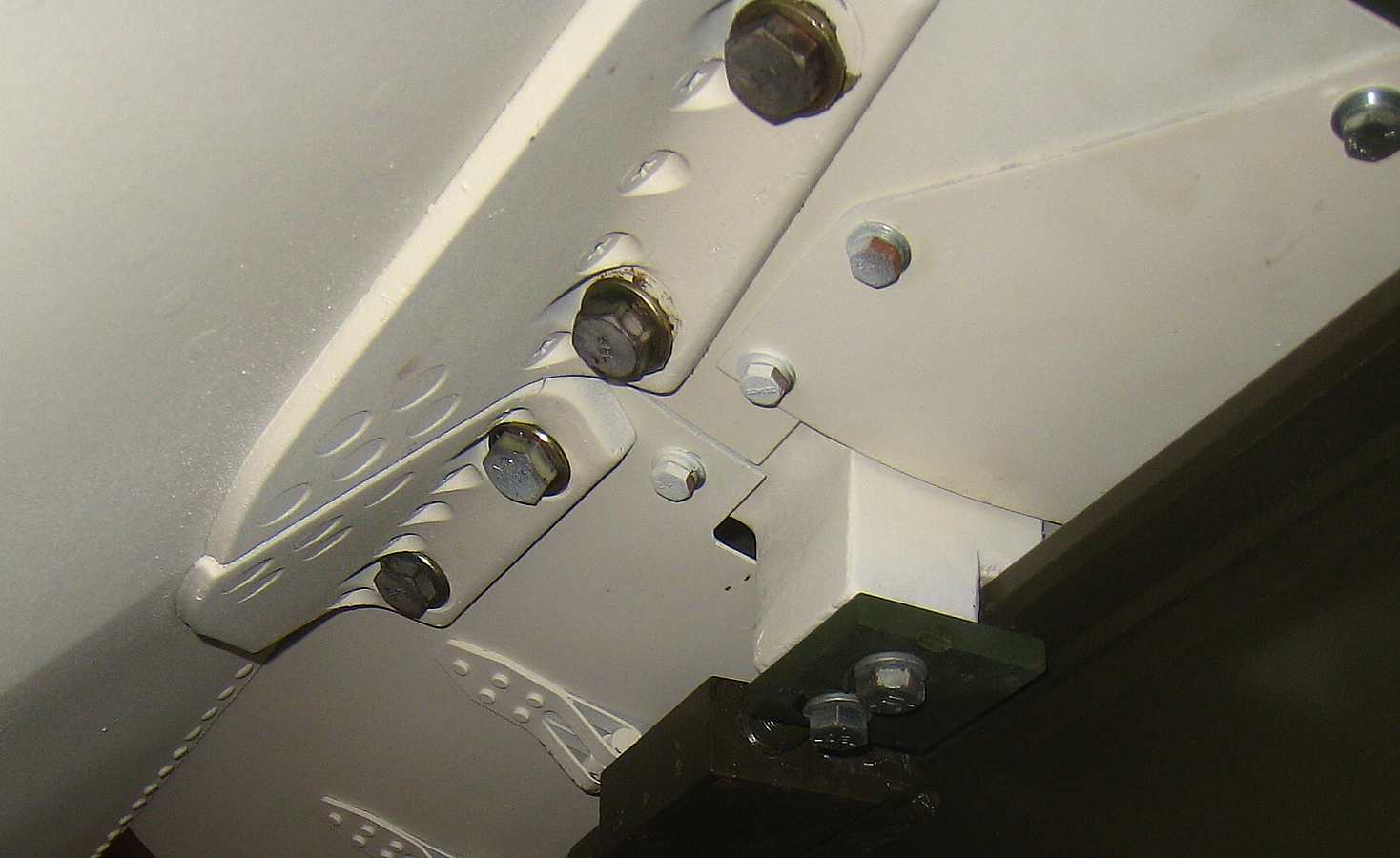
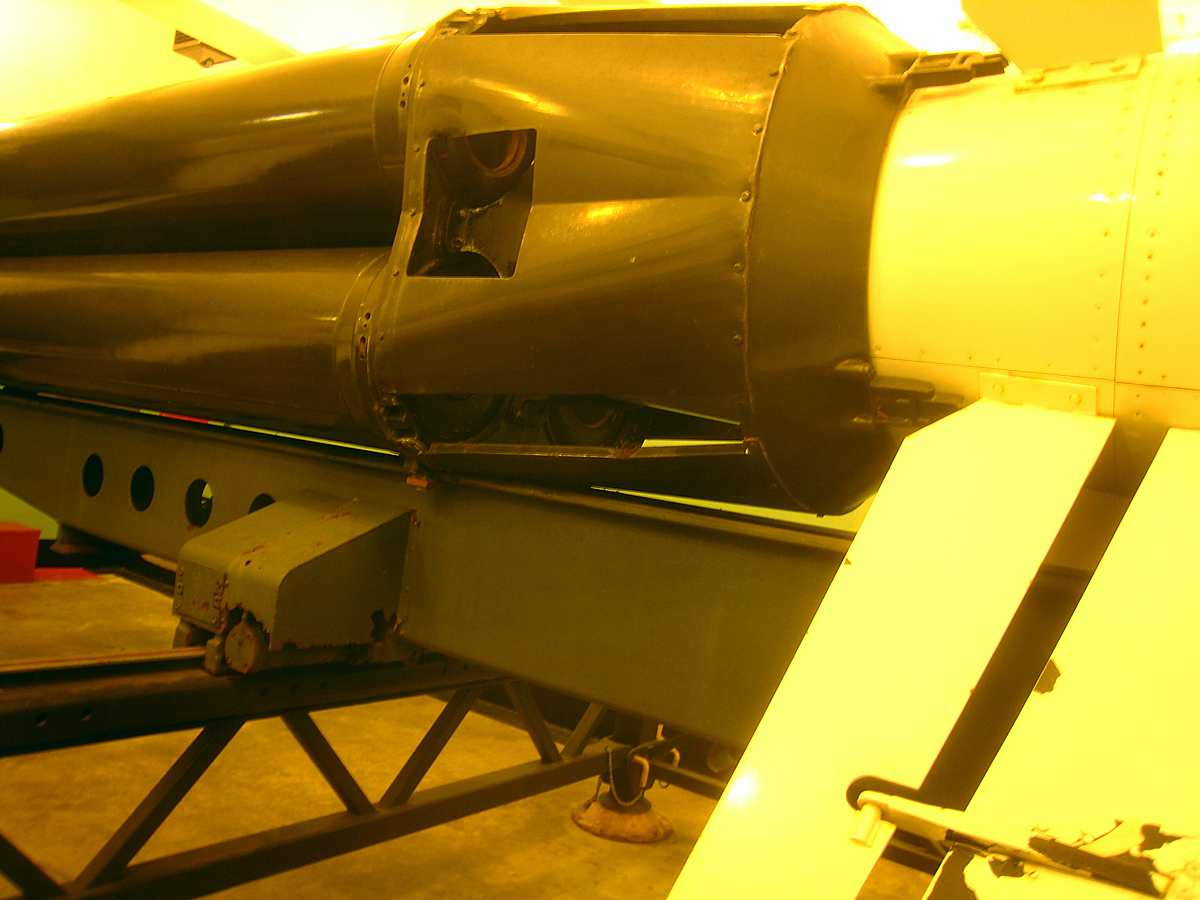
White Sands Missile Museum, Las Cruces, from Rich Janne Labor Day weekend 2007
(Both missiles were launched almost verically +- 2 degrees, but they photograph well at this angle. :-))

For a good introduction, see

Lesson 2. Missile Function - 2.7 megabytes
part of Nike Missile and Test Equipment

and for more details of the Nike Hercules Booster and Missile

Lesson 2. Major Units of the Nike Hercules Missile
- from Manual, MMS Subcourse Number 900, "Nike Missile Maintenance"
Revised March 1973 - 2.1 megabytes


This information is grouped into the following sections:


Time Line

From "Nike History" section
  • 1951(27 Nov) - Nike Ajax missile intercepted an aircraft flying at 15 miles range, 33,000 feet altitude,
  • Dec 53 The NIKE I (Ajax) became operational during this month.
  • 1955(Nov) - A Nike Hercules missile destroyed a supersonic target missile traveling faster than 1,500 miles per hour at an altitude greater than 60,000 feet. This was the first intercept of a very high altitude supersonic target missile.
  • ??? Start of conversion of some Nike Ajax missile sites to Nike Hercules sites, other Nike Ajax sites closed. (Due to the Hercules improvements in range and speed, fewer sites provided the same protection.)
  • 1960(Jun) - A Nike Hercules antiaircraft guided missile tracked and shot down a Corporal ballistic missile at White Sands Missile Range, marking the first ballistic missile to be killed by a missile.
  • 1974 - treaties greatly limited anti-missile (and anti-aircraft capable) equipment
    -- "each party may have no more than 15 rapid fire launchers"
    -- Most (all?) Nike launchers in United States disabled, Nike sites shutdown
  • 1996 - Taiwan retires its Hercules batteries (only Greece, Italy, (?Japan?), South Korea and Turkey still active)

Return to top

  • Nike Hercules - General


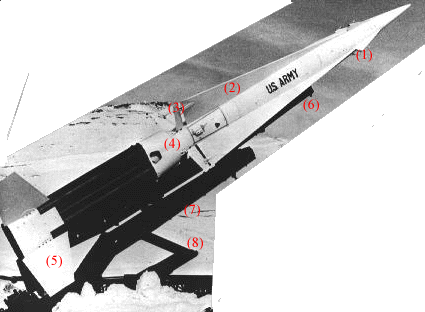
    A photo of a Nike Hercules on partially raised launcher
    Photo from http://www.redstone.army.mil/history/archives/nike_010.jpg.

    Key to numbers
    1. Radar windows (4 of them), received from and transmitted to the Missile Tracking Radar (MTR)
    2. Missile wings (4 of them)
    3. Steering fins (4 of them)
    4. Coupling between booster and missile
    5. Booster fins (4 of them)
    6. Launching rail, has wheels for moving missile on rails
    7. Erecting rail,
    8. Erecting levers, driven by hydraulic cylinders

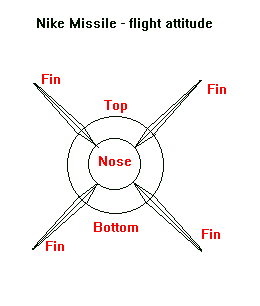
    Please Note: the missile is resting on the launching rail with its fins (or wings) on either side of the launching rail. The side of the missile resting on the launching rail is called the "belly" or bottom of the missile. This part or the missile is "down" (toward the center of the earth) when the missile is flying toward the target.
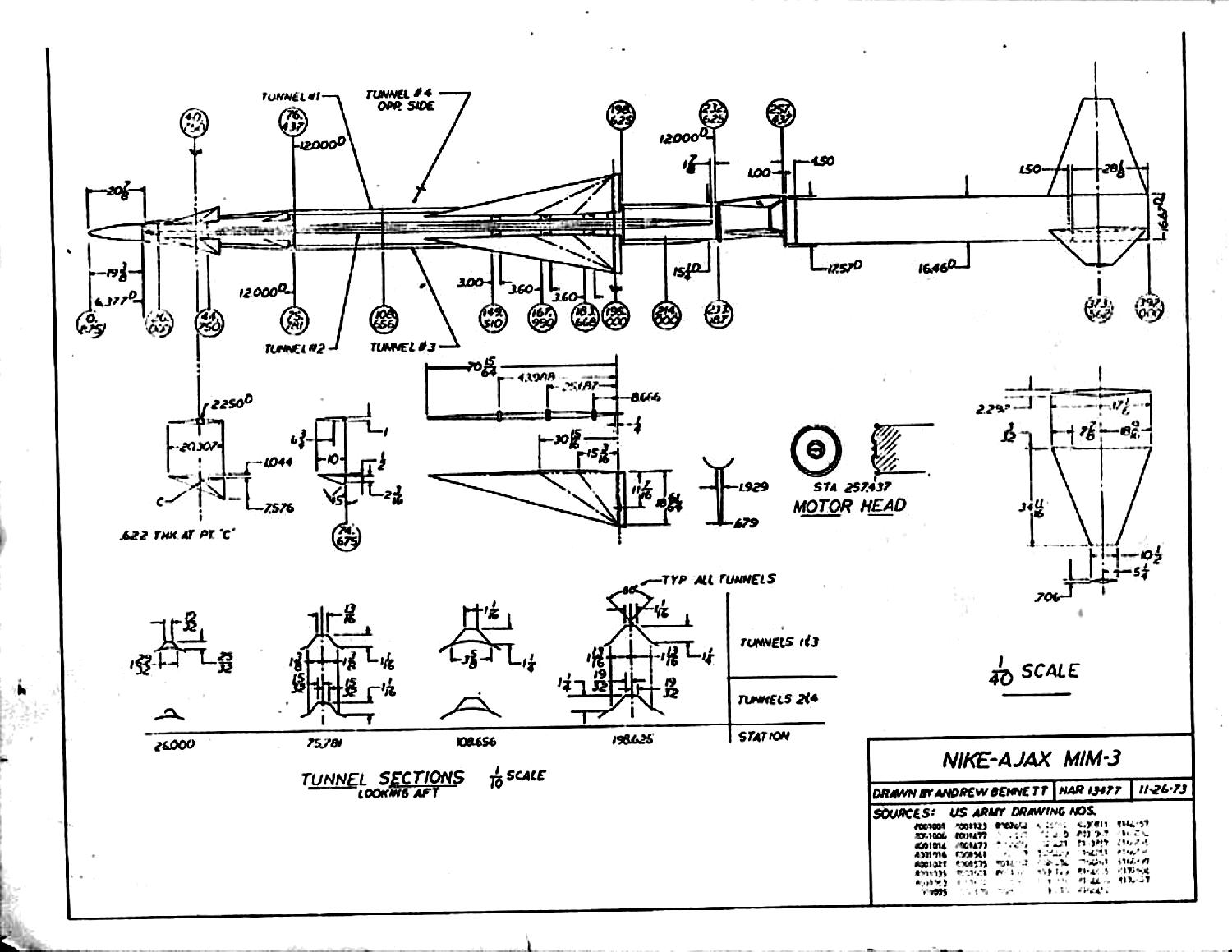
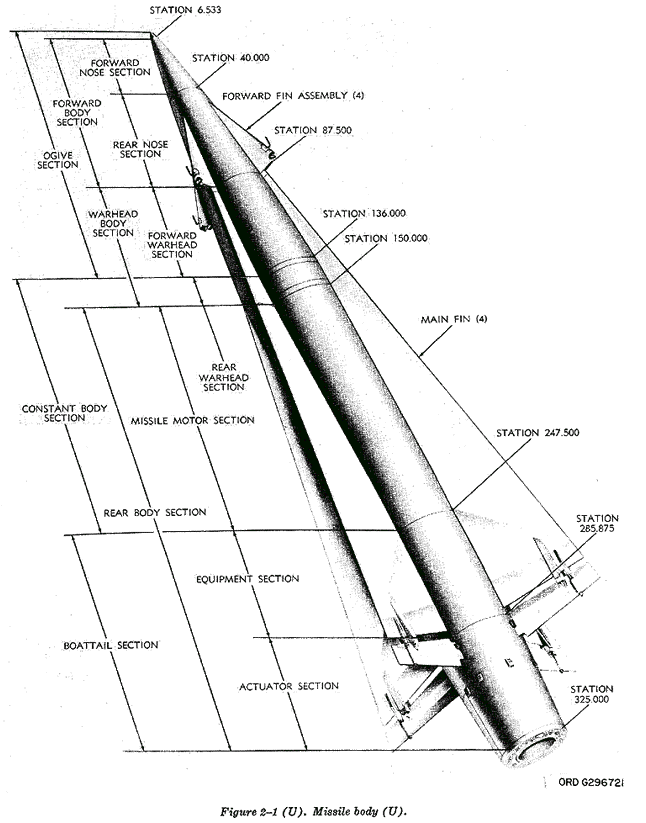
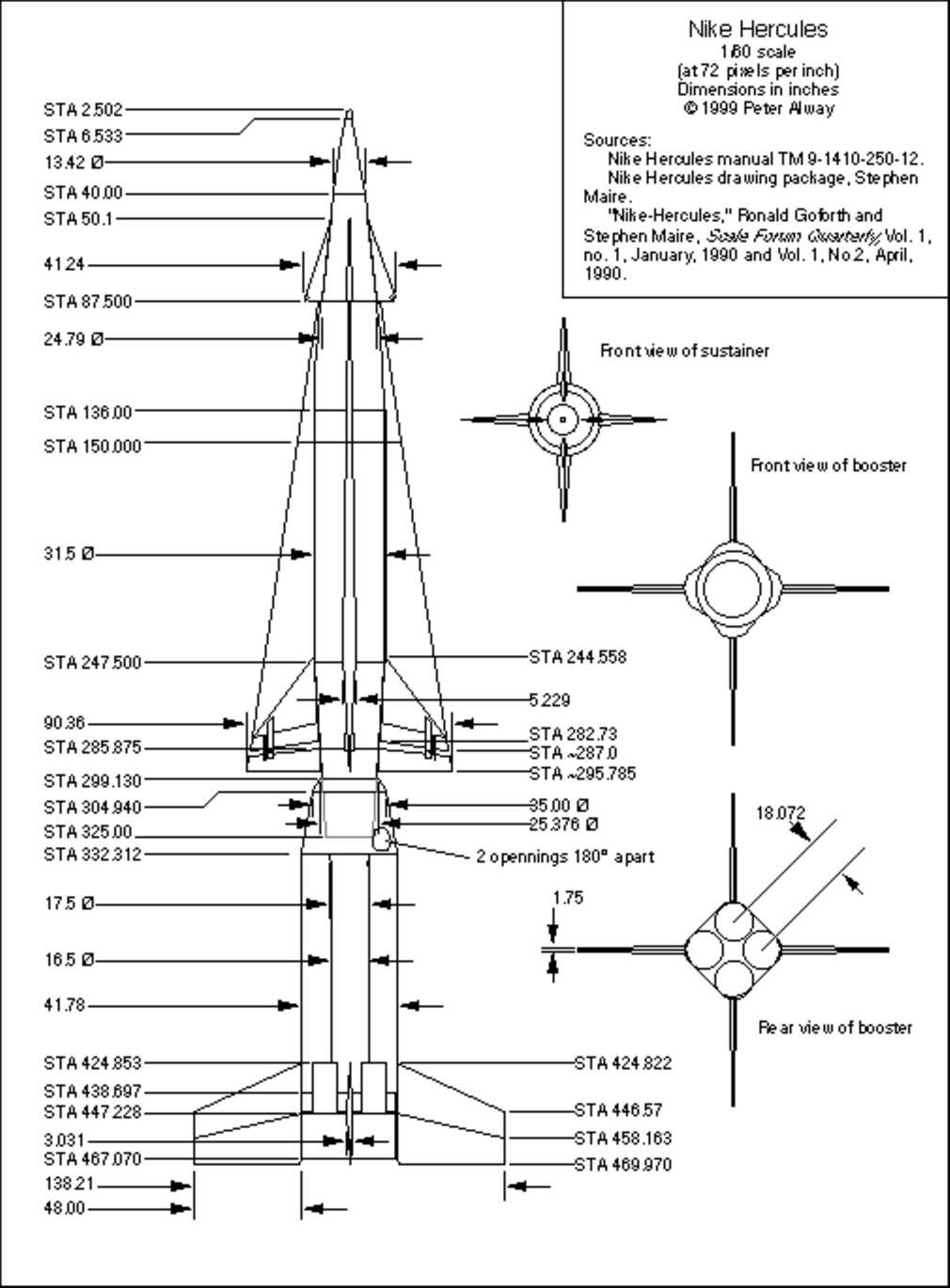
    63 K bytes A line drawing of Nike Hercules, source TM 9-1410-250-12/2

    Nike missile external paint was usually white at sites in the U.S. (anyone know of exceptions?).
    "Offshore" the missiles could be painted:

    Boosters seemed to be various colors. Anyone have other information?
    Launchers and rails seemed to be olive-drab everywhere.


    Missile Data

    Note: Booster length include a 1 foot overlap at the coupling, resulting in the sum of the missile and booster lengths being 1 foot shorter than the actual missile.
    Characteristic Units Ajax Hercules
    Identification (Joint Designations
    System by the DoD)
    MIM-3A MIM-14A,B
    body . ..
    length feet 21 27
    weight pounds 1,050 5,250
    payload pounds 300 1,000
    body diam inches 15 32
    fin diam inches 50 90
    thrust pounds 2,500 13,500
    propellant type liquid:
    - red fuming nitric acid
    - jet fuel (JP-4)
    - ignited by UDMH
    solid
    burn time seconds 30 29
    thrust pounds 2600 10,000
    speed mach 2.3 3.5
    speed mph 1900 2700
    range miles 26 over 90
    booster . ..
    length feet 13 14
    weight pounds 1,200 5300
    body diam inches 16 34
    fin diam inches 76 138
    thrust pounds 44,000 173,600
    burn time seconds 3.4 3.4
    total or combined . ..
    length feet 33 40
    weight pounds 2,260 10,550
    cost in 1958 dollars 20,000 55,000

    Further details from Bud Halsey
    Nike Hercules was MIM-14A, MIM-14B and MIM-14C. There were also several other models of Nike Hercules, e.g. M-1810 (a liquid-fueled model of which only 70 were manufactured) and the M-74 (a nuclear warhead training missile--designed for crews to practice with since they could not fly). The B and C models were technologically improved models of the basic MIM-14 A.

    Return to top


    Warhead Data

    The Nike Ajax had 3 warheads.
    • Nose: M2, 4.5 lbs Composition B, 12 lbs total
    • Mid-body: M3, 92 lbs Comp. B, 176.8 lbs total
    • Aft: M4, 59 lbs Comp B, 121.3 lbs total
    From TM 9-1970-2, Feb, 1958. Info from "KL", serene@usaor.net

    Each bomb was "Composition B" surrounded by two layers of 1/4 inch sharp cubes of hardened steel.

    They were after detonated after launch by either:

    • Burst command from Battery Commander
    • Burst command from computer
    • 2 seconds after loss of Missile Tracking Radar tracking signal.


    The Nike Hercules had a variety of warheads both nuclear and conventional explosives.

    Conventional explosive warhead
    The T-45 conventional high explosive warhead weighed 1106 pounds and contained 600 pounds of HBX-6 military explosive.
    For further discussion see
    What about the conventional warheads? from Frequently Asked Questions


    Nuclear explosive warhead
    The Nike missile warhead section (M-22, M-23 or M-97) was an integral part of the Nike missile. Nike Hercules used the W-31 warhead weighing 1123 lb. Yield was switchable between 2 or 40 kiloton

    For a description of connecting ("mating") the W-31 to the Hercules, see Mating the W31 Nuclear Warhead to the Nike Hercules Missile

    From Odom, James F.

    To answer Mr. Man-Wou Jee's question about safety measures on the Nike system, was the two man rule. It took two people to arm the missile. One person had half of the combination and the second one had the other half. On custodial sites (Greece, Korea, Turker, etc), a PAL device (permissiave action link) was used, and it took two persons to remove it so the arming device could be installed.
    James Odom. Nike crewman through 1st Sgt. from Aug. 1960- Sep. 1974 in the states and in Korea and Germany after that.

    For further discussion see What about the nuclear warheads? from Frequently Asked Questions
    Another source of nuclear warhead data is "The Swords of Armageddon" (suggested by Nicholas Maude which I have not seen).

    Bill Evans suggests:
    For some interesting info on 'our' nuke warheads, see
    - - http://www.fas.org/nuke/hew/Usa/Weapons/Allbombs.html
    scroll down to W-7, W-31 (also see W-50 for Nike-Zeus) then look at
    - - http://www.fas.org/nuke/hew/Nwfaq/Nfaq1.html
    section 1.5.1 for info on what a 'boosted' weapon is (what the tritium did).


    Nike Hercules - nuclear safety - Barometric Probe
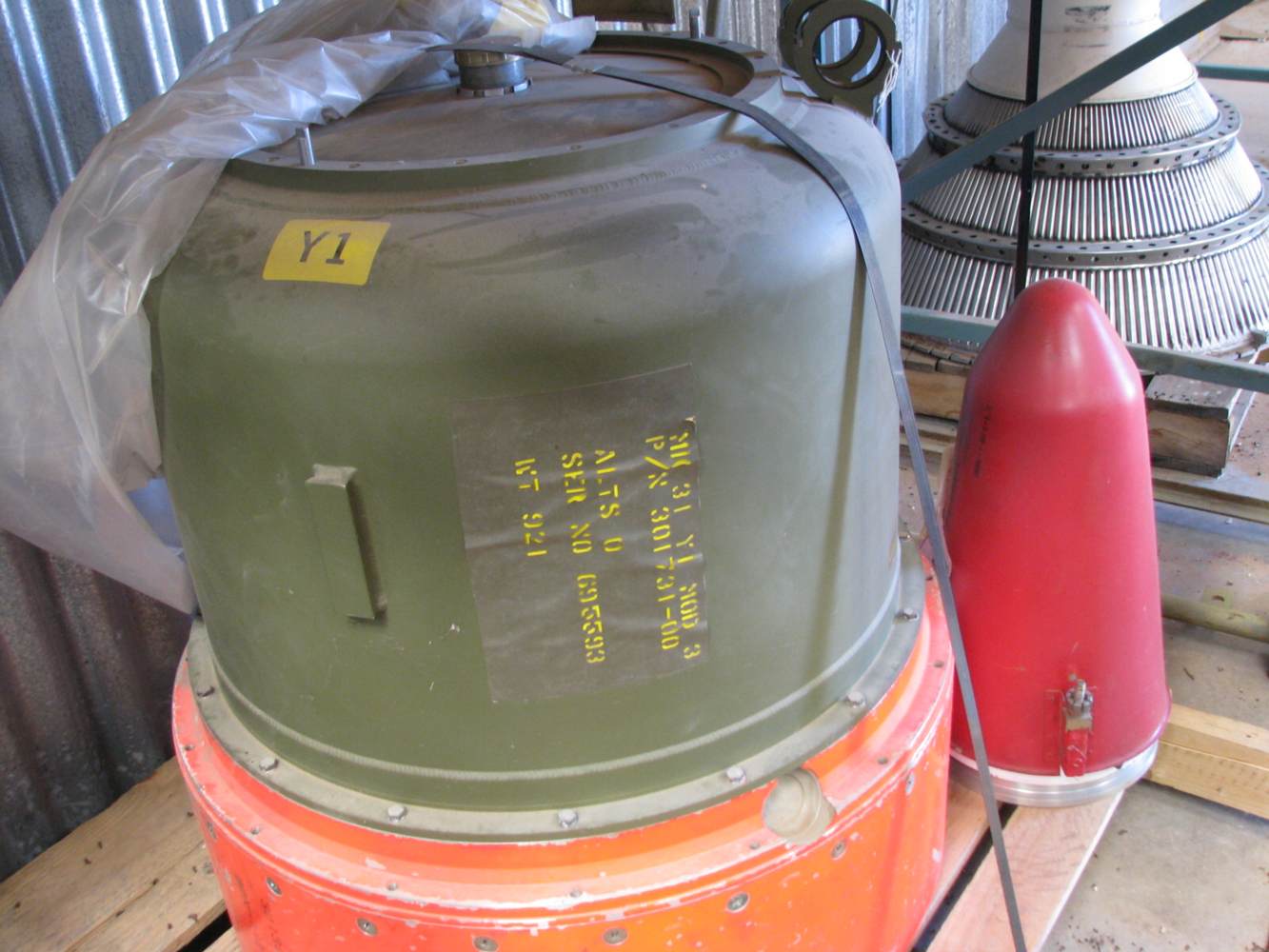
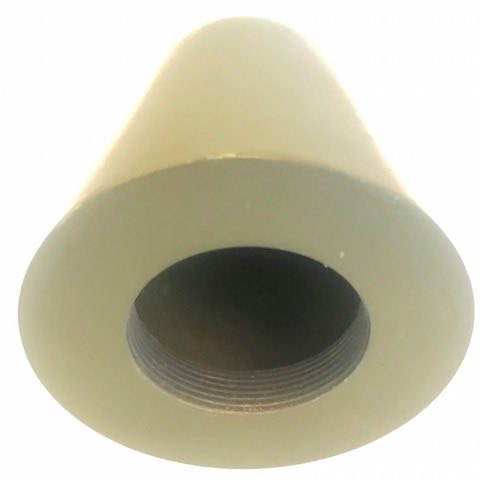
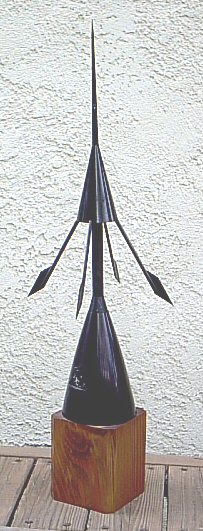
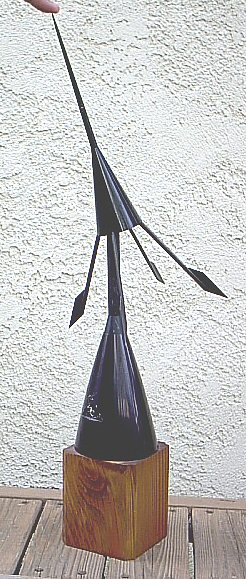
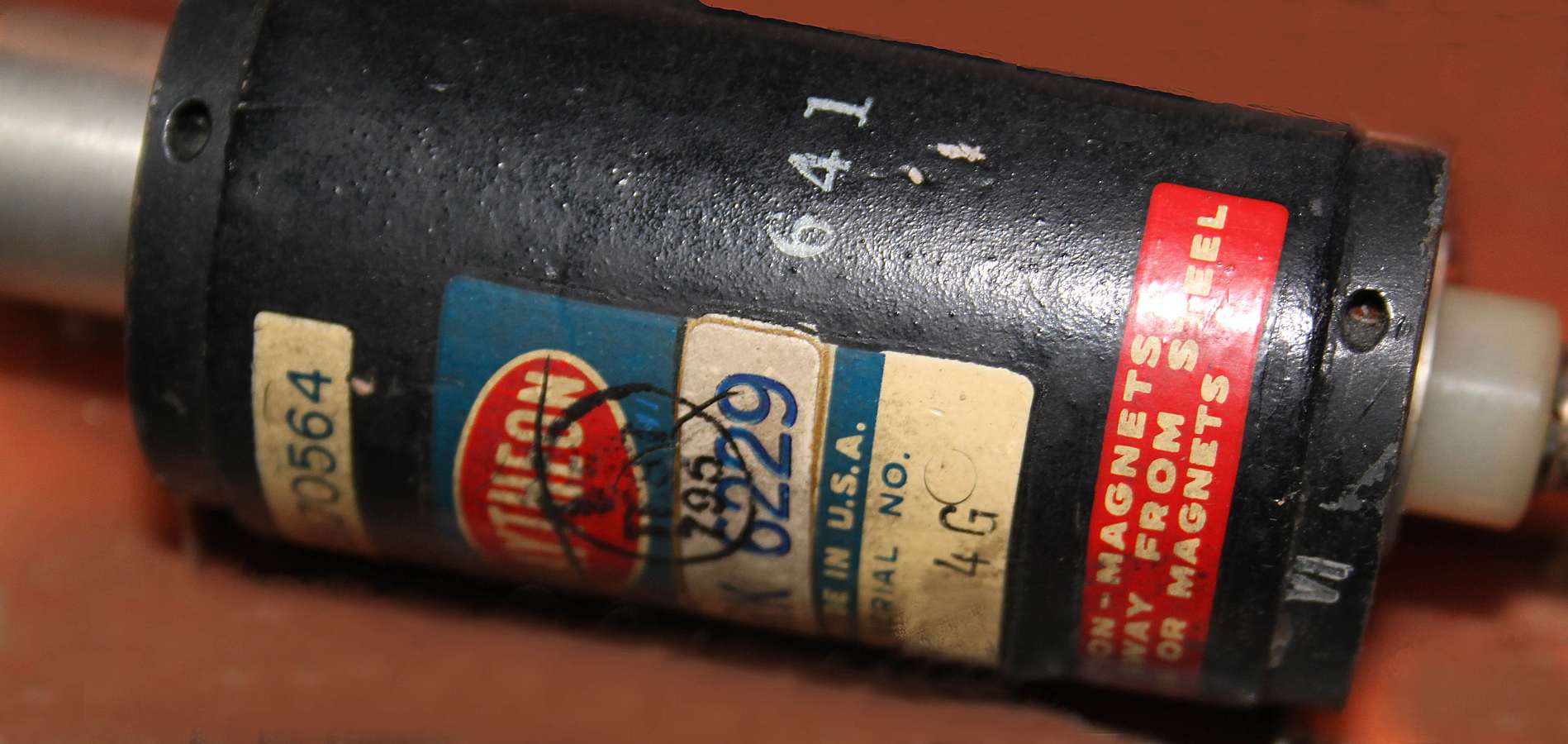
    To keep the warhead from exploding near the ground, and causing high levels of ground radioactivity, a "Barometric Probe" was used
    - photos courtesy of Ed Bisconti, identified by Robert H Foy

    Rod VanAusdall wrote:

    Those nose spikes are properly termed a "Barometric Probe" commonly referred to as a "baro probe". The probe is a part of the warhead system and was used to sense the barometric pressure (as opposed to dynamic pressure) at altitude.

    This pressure sensing was then sent to the barometric switches (baro switches) in the warhead where they served to "advise" the warhead circuitry of the missile altitude. This information was used by the warhead to complete warhead arming sequences and to provide altitude warning in the fail-safe system to provide a "one point" or HE detonation as required by a missile returning to low altitude with no direct fail-safe signal received from the MTR. The baro switches were set at the time of mating the warhead to the missile (this was done by use of the T 4014 Test Set in the Warhead Building) and could also be set at the launch area after mating.

    There were two altitude settings - high and low - arming sequence and fail-safe sequence settings. The baro probe was a delicate mechanism and was always part of the Technical Proficiency Inspection as relates to the unpacking (they came in steel containers), cleaning, and mounting. It was carefully inspected for freedom of movement and cleanliness.

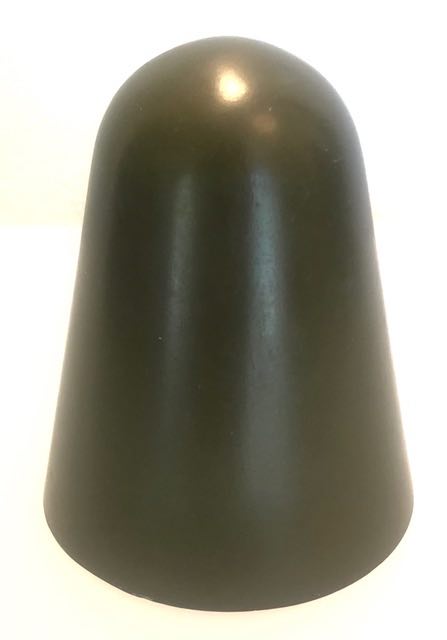
    There came a time when the Baro Probe was requiring excessive maintenance as they were always exposed to weather (we are speaking of above ground sites now) and a bright red cover, which resembled a doghouse for a dachshund was installed.. It made the missile look odd but kept the probe clean. I think this came about around the time of the "President Kennedy" plug if anyone remembers that.

    The probes were a big pain but served a very important purpose.

    The "plain old nose spike" was a dummy spike so one couldn`t tell (by casual observation) which was a nuclear warheaded missile and which was an HE only as a nuclear warheaded round always had a baro probe mounted and of course HE did not require one. We are speaking of counter-intelligence measures. Perhaps only used in Europe - I know they were used in Europe but by the time I served in the States around Cincinatti (the Dillsboro, Indiana site guarded Cincinatti) I saw no dummy probes - only covers.

    The plain old or dummy spike became obsolete when the baro probe cover came in to use as the covers hid all sight of the probe.


    The nuclear warheads were heavily guarded
    From
    John Meskanick indicates.
    ... I was sent to Europe and served with Team D, 66th USA Artillery Detachment, 5th Artillery Group, Special Ammunition Support Command. I was stationed with the 21st Fla Rak Battalion, German Air Force, near Westkirchen, West Germany. I was responsible for assembly and maintenance of the ten nuclear warheads that were a part of the Battery's missile inventory. We had eight weapons equipped with 3 kiloton warheads and two equipped with 30 kiloton warheads. We had both surface to air and surface to surface capability.

    The German Airforce was responsible for all of the missile, launching area equipment, and fire direction center equipment maintenance. The Germans also were in command of the site. Total strength of the American special weapon support and security were twenty-eight officers and enlisted men.

    The Detachment was made up of an Commanding Officer (Captain), and Executive Officer (1st Lieutenant), a Warhead Officer (2nd Lieutenant), Team Sergeant (E-7), Security Sergeant (E-6), Warhead Sergeant (E-6), three Warhead Maintenancemen (E-5), one Clerk(E-4), two Cooks (E-4), and sixteen security personnel (E-3 and E-4).


    From Andy Anderson
    All Alaska site were closed in 1979. What a sight it was, for Anchorage, to see a convoy of nuclear warheads rolling thru the city at 7 :00 a.m. in the morning.

    Over 40 trucks with armed guards all along the route. We totaled up the yields and came up with 1800 megatons Much of the time the warheads were transported by Chinook to Elmendorf AFB where they were loaded on C-141 Starlifters.


    From Richard J. Pecoraro
    ... the Nike Hercules Weapons Support Detachment-Korea(NHWSD-K), a special weapons custodial detachment [was deactivated in 1980]. Our job was to assume control of one or more Korean Nike sites in case the balloon went up. And be ready to accept one or more of our "special" warheads. We were a small unit of about 110 people. Mostly NCO's and Officers. It was created out of selected soldiers from 2/44 as it deactivated in 77. We ended up with a LTC Detachment Commander and a SGM as a First Sergeant believe it or not.


    From Bob Wilie Nov 13, 2000
    Arm Plugs for the Hercs on National guard sites were kept in a two dial safe with the combinations in the hands of Regular Army personnel. I guess so NJ could not attack NY


    The nuclear warheads had special handling


    From Andy Anderson
    I was a team member for the authentication process using the PAL device. We had to move from site to site while assigned to the 43rd.

    Mark Foster suggests looking at this PAL web site

    The PAL device is the Permissive Action Link. Sometimes called the Kennedy Device. I was one of the two people that had to authenticate the nuclear release authorization.

    The PAL device was a shorting plug in the special warheads. It was a combination lock installed at the arming plug location.

    The arming plug dictated what type of burst you would get.

    • One plug was for a surface mission.
    • The other was for a air mission.

    A ground burst was set at 600 feet above ground level. The is the altitude that would deliver the most damage for a ground burst. This type of mission was used against ground troops and tanks.

    The other type of arming plug was used against aircraft groups of 12 or more aircraft. This plug also offset the guidance system to cause the missle to fly above the target at 600 feet and detonate, causing the burst to take out every aircraft in a 4 mile radius.

    In order to control the launch of a nuclear weapon, the PAL device was used. It, when installed, was a shorting plug, that prevented the missle from launching and kept the warhead in a safe condition (i.e.. not armed). When the president gave the ok to fire. An encoded message would come from CINCNORAD with the combination to open the PAL device. This was my job. I opened the PAL, armed the missle with the correct arming plug and punched the fire button. There was no voltage in the PAL. I was just a plug that disabled the launching.

    It also served another purpose. If the weapon fell into the wrong hands and they tried to take the PAL device off by hammering, cutting or whatever, the missle would self destruct. This was never told to allies on the custodial sites. It would not detonate with a yield, but would do a HE explosion with a small amount of contamination.

    - the following is not Nike, but gives some idea of the special handling to reduce the possibility of unauthorized risk - from Donald E. Bender
    Just FYI ... found this while searching around in DejaNews.

    Don B.

    ---------- Forwarded message ----------
    
    (beginning of original message)
    
    Subject: Re: Two man principle
    From: thunder@rmii.com (Ed Rasimus)
    Date: 1999/02/19
    Newsgroups: rec.aviation.military
    BOD  wrote:
    
    >Does anyone know how the 'two man priciple' was achieved when releasing
    >nuclear weapons from single seat aircraft such as the Jaguar? or is it a
    >simple case of there WAS no two man principle for single seat aircraft?
    
    Two man control is in effect until nuclear release (i.e. the official
    authorization to launch by the national command authority). That means
    the pilot of a single engine airplane on nuc alert is always
    accompanied by the crew chief when entering the "no lone zone" around
    a weapon loaded aircraft. 
    
    On alerts it takes two people to cross the red line around the
    airplane (the sky cop is supposed to shoot you if you don't have a
    partner). The pilot goes up the ladder and the crew chief stays in
    sight of the pilot. Both players are in view of the security police
    type who remains outside the zone.
    
    On an alert scramble the engine is started and the command post relays
    a message. If the message is a real war launch, then you roll and
    two-man is suspended. If you don't have a real launch message you
    don't have the necessary codes to arm the bomb. You also probably
    won't be able to get out of the alert area because the gates will stay
    closed and there is usually a fire engine or other large truck
    blocking the taxiway. 
    
    Single seat aircraft pulled a lot of Victor alert over the years in
    F-84, F-100, F-104, F-105 and of course also in Jaguars and Hunters
    and Mirages. Never a problem for 2-man control.
    
    
     Ed Rasimus                   *** Peak Computing Magazine
      Fighter Pilot (ret)         ***   (http://peak-computing.com)
                                  *** Ziff-Davis Interactive
                                  ***   (http://www.zdnet.com)
    
    
    (end of original message)


    The nuclear warheads had special training

    From Rod van Ausdall
    ... and noted no mention of the Nike Hercules Training Warhead - nuclear -(simulated the M31 nuke) which as you may know, was used in TPI and other training routines. The warhead was so fashioned the Nuclear Test team could throw various switches in it to cause the T74 to give false (and alarmimg) readings on the T4014 test set and the launcher control station thus causing the crews to take action which was then graded -pass/fail by the inspection team.
    and
    Ed asked me if I would write a paragraph or two about the Nike Hercules Training Round, including the Training Warhead, the T 74. Here goes.

    The Nike Hercules training round was remarkable for its` color - black. It was a complete round (included the missile and booster cluster) I believe these rounds were selected from production rejects, painted black, and entered into the training inventory after they were stripped of operational components and appropriately weighted. The first one I saw simulated the "stovepipe" guidance (forerunner of the "mushroom" guidance package) with a dummy stovepipe guidance section.

    Outwardly these rounds appeared identical to the war reserve items except for the color. Weight was identical and the round could be handled (transported, joined, etc) as if it were the "hot" item. A black missile container was provided.

    The T74 Training warhead with a training XM75 Cartridge (adapter to the M31 warhead) was also painted black as was its` XM 401 container. The warhead cartridge had all the electrical connections available for assembly and a training wiring harness was included in the package. Weight was about 1200 pounds, simulating the War Reserve item. Dummy firing plugs were included as was a training barometric probe and black "doghouse".

    The warhead featured a multi-switch panel behind the right rear warhead access door (standing aft looking forward) and these switches could be thrown to cause various indications of malfunction to appear on the T4014 Test Set during warhead mating and checkout exercises. Technical Proficiency Inspection Teams made good use of these switches during TPIs to test the reaction and corrective procedure skills of the Assembly teams. Downrange, on the launcher, the use of the "fault" switches could give bad indications on the LCI to test the launch crews.

    The use of the training round was of great assistance in crew training and saved wear and tear on the War Reserve items. I have never seen a Nike Ajax trainer although I have seen and used Nike Ajax training warheads.

    I think the above is reasonably accurate. I have searched my memory for any use of the trainer during Annual Service Practice (ASP) and cannot remember any such instance. I am sure they were not used during ASP as that was, of course, a live fire exercise with the HE warhead and commingling a training item for a crew proficiency test would have been ill advised. I know during my ASPs they were not used.

    Rod vanAusdall

    cvandall@adelphia.net

    from Dave, August 28, 2007 ...
    Seems there is a little misconception regarding the test sets for the Nike Hercules warhead:

    Yes there is a T-4014 used by the site personnel in the launcher warhead room for main setting of the baros for altitude only. No calibration. What they haven't mentioned is there are several more:

    1. The T-4016 is used at depo to test and calibrate the baros and other circuitry
    2. The T-4115 is used to test all the warhead arming, plug, PAL and other circuitry
    3. The T-4046 is used to actually test the warhead detonators thru the SA/SS plug connector.
      I bought one once at a surplus store.

    The T-4115 can also test the main engine ignitors, and the main harness.

    We had to memorize the entire circuitry and operation of all of these:

    1. Regarding the weapon yields: from what I remember the W31 had 4 possible settings and they are MUCH larger than anything you have listed. roughly 10Kt to 440KT. They were also color coded with a reflective tape strip so you could tell at a glance what the yield was thru a small access door.
    2. There was a training W31 that was typically semi flat powder blue and was kept in a std 409 can (the weapon container). The container had a powder blue square on it and on some the whole container was blue.
    3. WR rounds (and the cans) were oil based OD flat with white stencil Marsh ink.
    4. From what I can tell the maps included the nuclear weapons depo location names but not their location names. For example the one in the Van Nuys cornfield was NWSS #5 (I still have one of my access cards). I have it tagged on my Google Earth.
    5. Some RA personnel had the full 20 digit combinations to the PAL locks. Did not require 2 man rule.
    Funny story: We had to calibrate the load test equipment regularly so when we received a new dynomometer, we had to tie a sling to it and run it up to 10,000 lbs using chain fall and a rolling overhead crane. I went to loading this one up but just couldn't get it to go all the way to 10K lbs and STAY there. It would just sag back to 3K or so. Then I hear the warrant hollering for me from his office. He curses me out and comes running. He makes me step back to look and then I realize the crane is collapsing more each time I yank it down. We had received a 100K lb dyno and we totally ruined the crane. We were all amazed the sling held the 100K lbs. We sent the dyno back to the mfg and got a new crane.

    Nervous story:

    As weapons DEPOT folks we regulary had to go to the various sites to fix / repair weapons and /or test things before major inspections. We received and order to place stamped serial numbers on ALL the weapons in the LA inventory. So I took a small stamp set and a berylium hammer and practiced and practiced. Then I went and stamped them all. Nervous part - The serial number was 4 inches from the PETN dual detonators and one wrong hammer hit/slip could have ended that sites existence (and mine). The site folks never knew.

    Second nervous story:

    LA site 78 just up on top of a hill near Malibu beach and Topanga canyon had a wildfire and I had just arrived. The fire went into a 'storm' and forced everyone into the bunker and we used the washdown hose to cool the bay doors from the inside as the fire raged for a few hours outside. When we went outside the paint was burnt off the doors. Scary considering what we had just inside.

    Enjoy the site but I don't see ANY of the other weapons folks listed.

    dave

    Return to top


    Nike Boosters

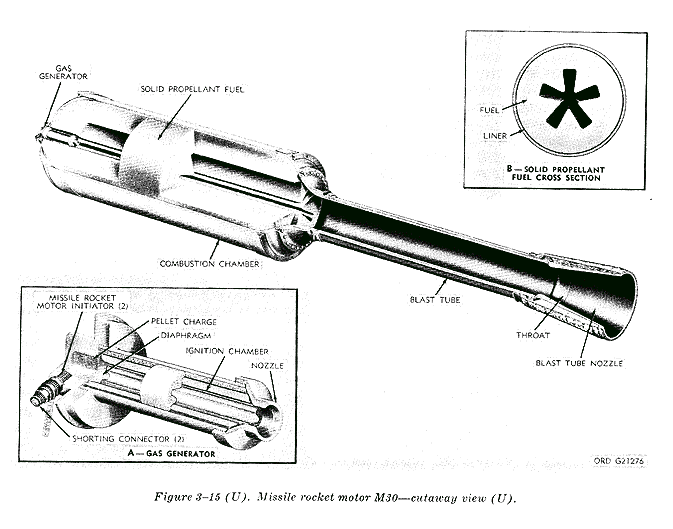
    The basic boost rocket for the Nike Ajax was a single steel tube 16 inches in diameter and about 10 feet long. It was filled with "double base" rocket propellant (closely related to smokeless gun power). The propellant was shaped into the desired cross section and had an electrical igniter. The top end was plugged, and had a cone shaped adapter that the main Nike missile rested in (it partly surrounded the Ajax sustainer motor.) The bottom end had a rocket nozzle and fins.

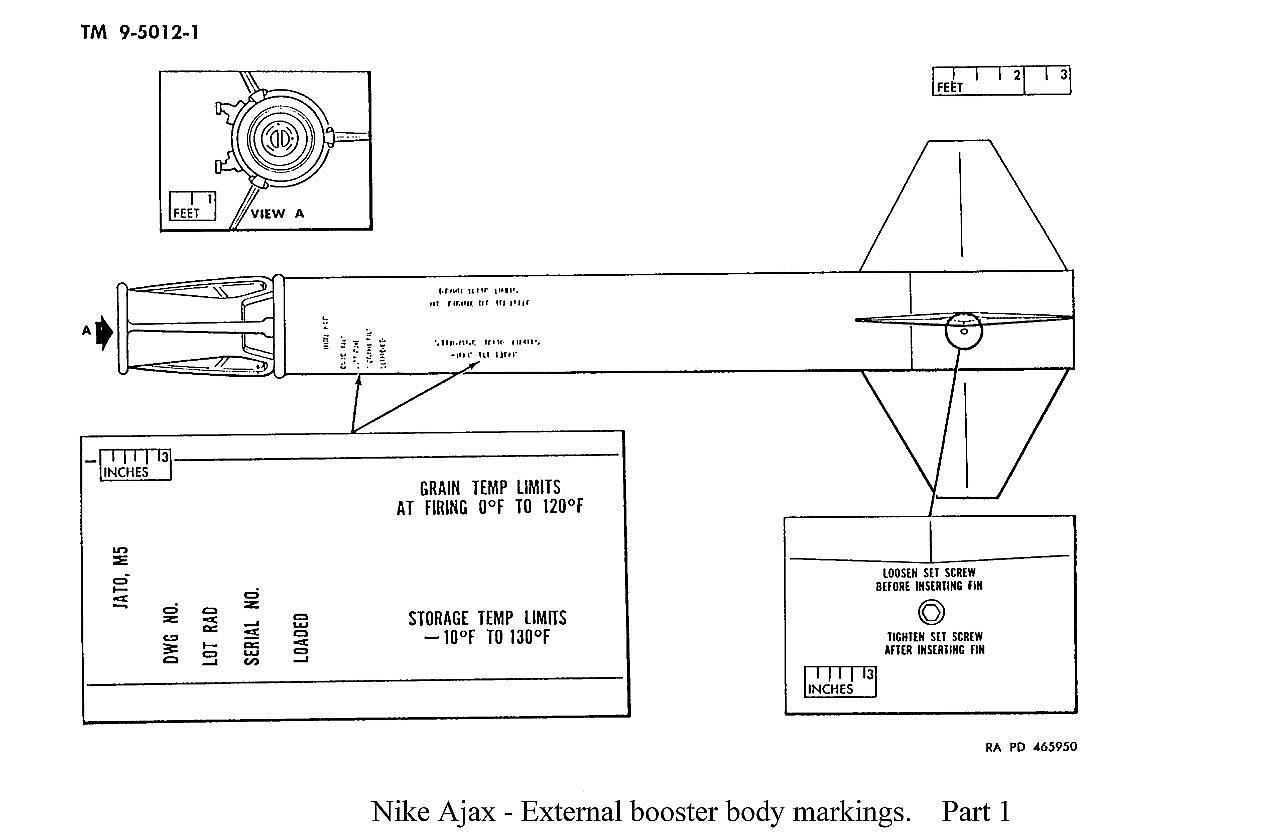
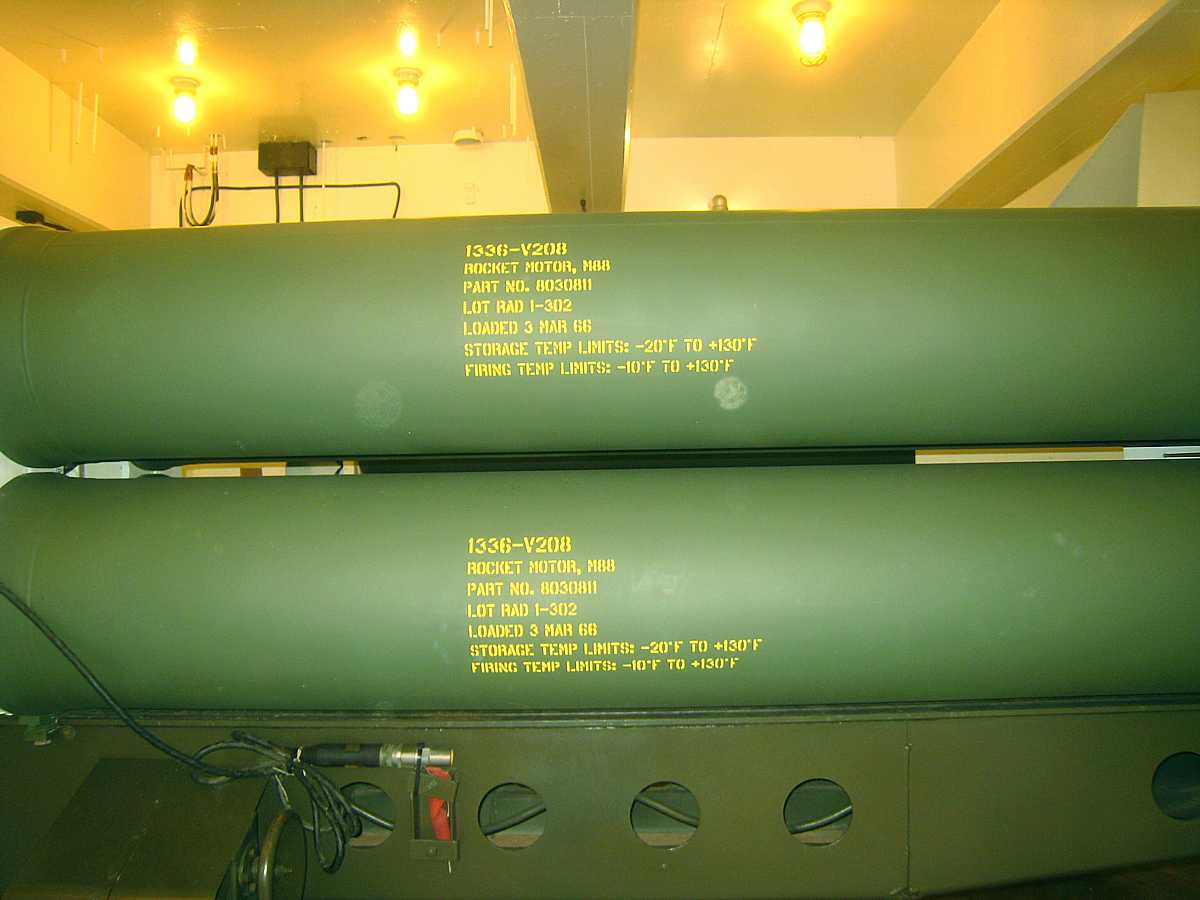
    Drawing of Hercules Booster Motor (one of four) from TM 9-1410-250-12/2 page 3-38, size is 80 K bytes.
    The Nike Ajax used one of these (13 foot long, 16 inch diameter) units, with fins, as a booster rocket.
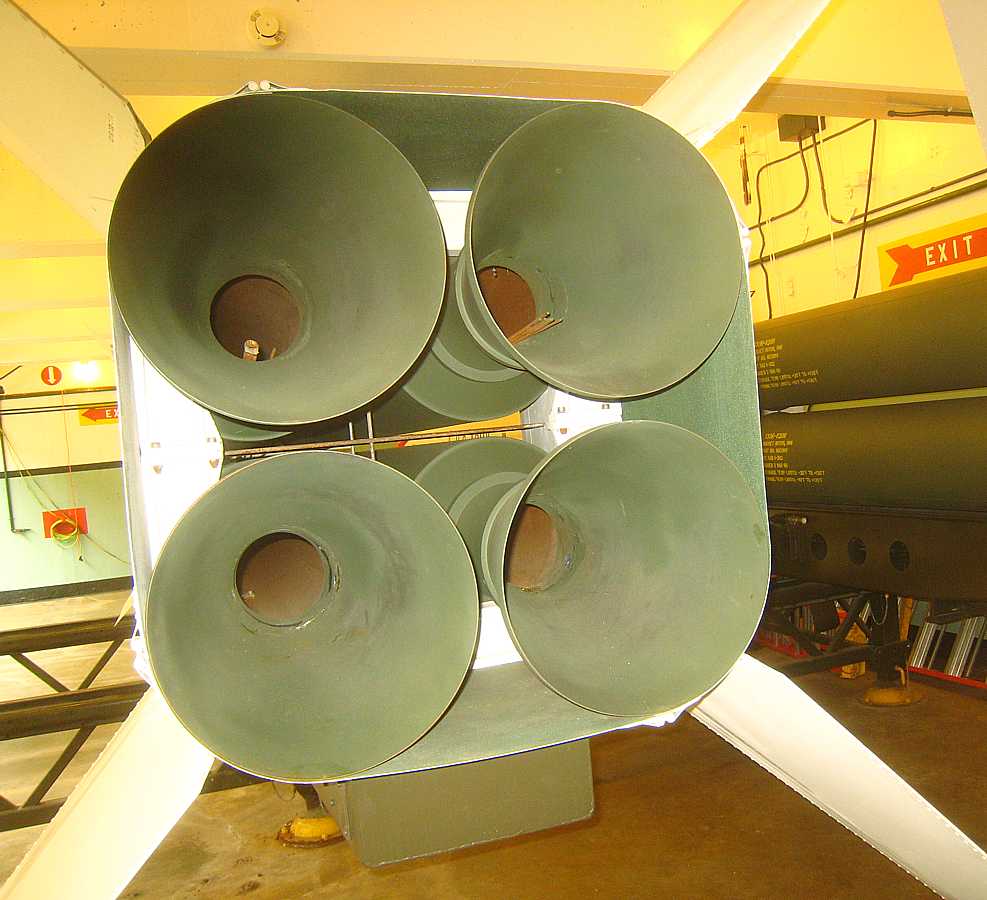
    The Nike Hercules used four of these units, arranged in a square, with fins, as a booster.

    Note that this is not the shuttle booster technology mentioned later. The goal here is to provide a very high (25 g) brief (3.4 second) boost to get the missile into action as quickly as practical.

    The finished propellant is a single mass called a grain or stick. The cross section (end view) permits a large burning surface with a relatively constant area during burning, giving rather constant gas production and high rather constant force.

    A typical recipe for double base rocket propellant is

    • 51.38 % Nitrocellulose (propellant) - too rigid but reasonably stable
    • 43.38 % Nitroglycerin (propellant) - too sensitive, (explosive) and too liquid to be used by itself
    • 03.09 % Diethyl phthalate (plasticizer) - improves the propellant's structural properties
    • 01.45 % Potassium nitrate (flash depressor) - promotes smooth burning at low temperatures
    • 00.60 % Nigrosine dye (opacifier) - prevents heat transfer by radiation to sections of the propellant that have not started to burn
    • 00.10 % Diphenylamine (stabilizer) - absorbs the products of slow decomposition (which tend to accelerate decomposition).
    and has a specific impulse of about 250 seconds, not to be confused with burning time.
    From "Space Handbook", AU-18, Air University Press, Air University, Maxwell Air Force Base, Alabama 36112-5532 - also available from U.S. Government Printing Office
    From
    NASA Facts online
    "Specific impulse is the period in seconds for which a 1-pound (0.45-kilogram) mass of propellant (total of fuel and oxidizer) will produce a thrust of 1 pound (0.45- kilogram) of force. Although specific impulse is a characteristic of the propellant system, its exact value will vary to some extent with the operating conditions and design of the rocket engine. It is for this reason that different numbers are often quoted for a given propellant or combination of propellants. "

    This double base rocket propellant produces a lovely pink flame and NO SMOKE. See Crete launch trip report.

    Nike Ajax Booster, - end of the line -

    This is the typical end of a Nike booster at Red Canyon Range. Note that the booster is buried to about 2/3 of its length. This "soil" is hard, dry, and rocky! Trying to dig a hole in it with an "entrenching tool" is a truly frustrating task.

    Hard to imagine the impulse or force necessary to bury the 13 foot long, 16 inch diameter steel tube&nozzle this far into that rocky hardpan.

    Thanks to Alan Graham via J.P. Moore

    40 K bytes


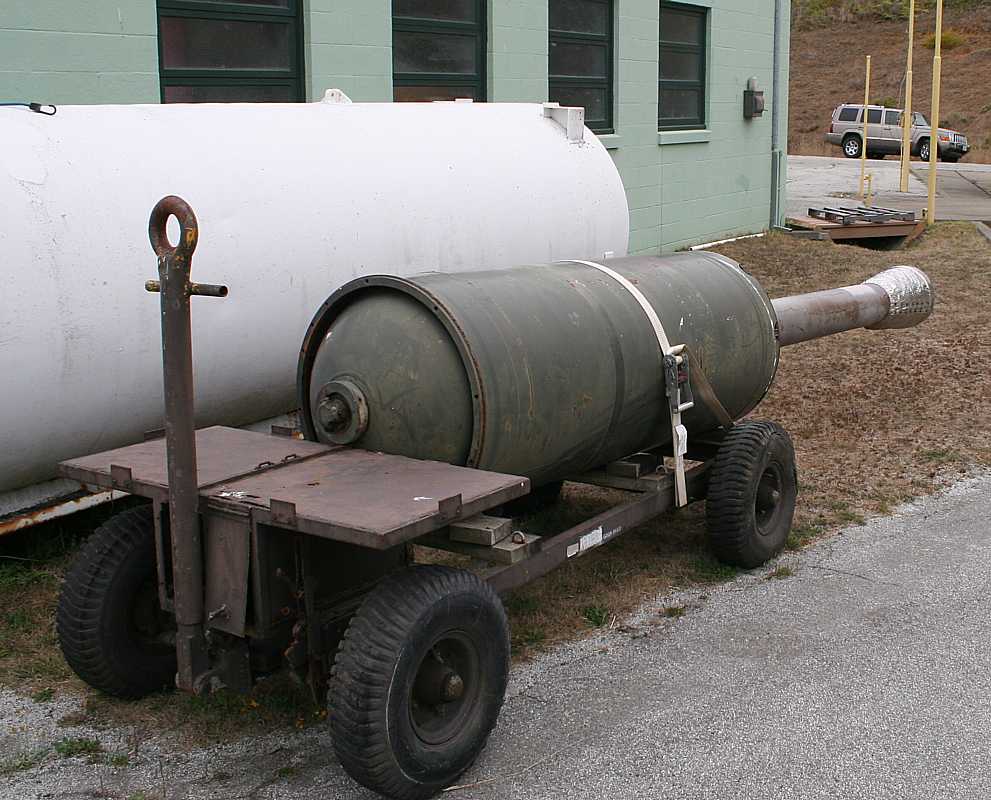
    There have been rumors of a South Korean varient of the booster. The photo shows a larger single barreled booster (25 K bytes) for their Hercules (or a rumored South Korean surface-to-surface variant) of the Hercules) Photo found by Daemon Hobbs, Capt, USAF, on the Korean Ministry of National Defense site. "It shows the surface-to-surface variant of the Nike during a recent ROK military parade. ... it shows the Nike is alive and well in the ROK.

    The U.S. Space Shuttle solid fuel boosters are much larger and have much different performance goals. The Shuttle and other space launch vehicles desire a much longer burn time (lower g forces) and with more emphasis on economy. The oxidizer is ammonium perchlorate and the fuel is synthetic rubber material and aluminum. These are mixed together, melted and poured into the steel sections. Later the sections are fastened together - with seals - into a much longer unit. The cross section is a solid and the long tube of fuel burns from one end to the other end in 10's of seconds. See NASA Facts online - solid propellants

    For a nice introduction to rocket engines, see

    Return to top


    Sustainer Motor Delayed Firing (optional)

    Reference: TM 9-1400-250-10.
    ***Hercules only***
    In a surface-to-air low altitude mission, a motor start delay timer relay prevents the thermal battery current from igniting the rocket motor initiators until 9 seconds after liftoff. By means of a delayed motor start, missile velocity is reduced and a shorter turning radius and lower initial altitude are obtained.

    Firing of the missile rocket motor initiators is prevented before the boost period by a safety and arming switch which applies a short circuit across the initiators and opens the circuit from the thermal batteries. During the boost period, the force of acceleration arms the switch, thereby removing the short circuit from the initiators and completing the circuit from the thermal batteries.

    Thanks to Bud Halsey for researching this.

    Quick discussion of "Dead Zone"

    Return to top


    Ajax Liquid Fuel Sustainer Rocket Motor

    The Nike Ajax sustainer motor did use liquid fuels. This was somewhat after the German V-2 rocket stunned the technical world. There were many books available in major libraries dealing with the "specific impulse" of the various solid and liquid fuel mixtures. People were now seriously looking toward the moon, and what it would take to get there.

    Most liquid fuel mixtures are indeed superior in "specific impulse" or push force than any solid fuel mixtures. Any reasonably safe solid oxidizer contains oxygen bound up in heavy inert ingredients which seriously reduce pushing ability per weight.
    Mixture Specific Impulse Used in
    Liquid Fluorine, Liquid Hydrogen
    http://www.its.caltech.edu/~mars/propulsion.html
    546 (no examples known)
    Liquid Oxygen, Liquid Hydrogen 440 sophisticated space applications, even using this, the Space Shuttle can't get above a marginal low earth orbit.
    Liquid Oxygen, Kerosene 310 earth launch stages
    Red Fuming Nitric Acid, Kerosene 280? Nike Ajax sustainer
    Solid Nitroglycerine based 250 Nike Boosters
    ammonium perchlorate, rubber 250 Nike Hercules sustainer, Space Shuttle booster

    You remember your liquid fuel rocket theory and practice? Good! You take a tank of "fuel", and a tank of "oxidizer" and push or pump the contents of both into a "combustion chamber" (rocket motor) that has a hole for the flames to come out of. Since pumps can be more of a bother than worth in small rockets, we will use a tank of compressed nitrogen to push the materials out of the tanks into the rocket motor - and we need at least 400 pounds per square inch to make the system really effective. We will line inside of the rocket motor with something to protect the rest of the rocket motor from the high pressure, high speed acid and oxide flames.

    Liquid oxidizers are very effective, unfortunately they tend to be very troublesome.

      Going down the available energy scale -
    • Liquid fluorine - super powerful, but not for me
    • Ozone - powerful stuff, unfortunately a bit reactive, can explode all by itself
    • Liquid oxygen - very cold, loves to boil away, can aid fires in a big way
    • Nitric acid enriched with more nitrogen dioxide and an inhibitor, well, at least it is liquid at room temperature. A common name is "Inhibited Red Fuming Nitric Acid", almost as unpleasant as the name implies. Lets shorten the name to "IRFNA" for easier handling.
    Lets pick jet fuel "JP-4" as the fuel, a good happy combination of hydrogen (great) and carbon (just fine). Easy to get, store, handle, not much problem. (This was before the cancer hysteria where everything but distilled water is placed in the only other category 'dangerous'.)

    Here we have a drawing of compressed nitrogen on the left pushing "IRFNA" from one tank and "JP-4" from the other tank into the fiery rocket motor.

    Oh - yes! How did we start the fire? You remember the giant sparklers and pin wheel igniters used by the V-2s and NASA? Lets try something else, something that will start to burn if mixed with the "IRFN". That sounds simpler and more reliable.

    And this is where the chemistry starts to get *truly* dangerous again. A "aniline/furfury alcohol" was used at first, and soon replaced by "unsymmetrical dimethyl hydrazide", "UDMH" for short. And again we have something not something for the high school chemist. It turns out that if you mix "IRFN" and "UDMH", you get instant fire - right now, whoosh.

    And an interesting idea is to store the "UDMH" in the pipe leading from the "JP-4" tank to the rocket motor. You can keep it there by having a diaphragm on both ends of the pipe. When the nitrogen starts to push the from the tank, the diaphragms break, and the "UDMH" sprays into the rocket motor in just before the "JP-4". There the "UDMH" meet the just arriving "IRFN", starts burning instantly and so by the time the "JP-4" start arriving, there is a roaring fire already started, and the fire continues burning in the motor.

    Here we have a drawing of compressed nitrogen on the left pushing "IRFNA" from one tank and "JP-4" from the other tank into the fiery rocket motor.

    But notice, there is a pipe full of "UDMH" going into the rocket motor just before the fuel "JP-4" gets there. The "UDMH" and "IRFNA" spontaneously ignite - the mixture is termed "hypergolic".

    From Kurt Laughlin (July 25, 1999)
    The following information is not from experience, but from technical manuals of the period:

    The NIKE AJAX used several acid or corrosive mixtures in the propellant system. The starting fluid was 99% Unsymmetrical Dimethylhydrazine (UDMH). The propellant was 83% JP-4 turbine engine fuel and 17% UDMH. The missile oxidizer was Inhibited Red Fuming Nitric Acid (IRFNA), composed of 83% Nitric Acid, 14% Nitrogen Dioxide, 0.6% Hydrofluoric Acid.

    Each missile held 4,370 cu in of oxidizer (S. G. 1.563), 1,822 cu in of fuel (S.G. .782), and 1.07 lbs. of starting fluid.

    Spills were to be neutralized with alcohol or water (starting fluid), 5% Sodium Bicarbonate solution (oxidizer), or with 95% Ethyl Alcohol and dilute Acetic Acid in the case of propellant. At many points in the procedure the contaminated parts and fueling area are flushed with the above neutralizers and large amounts of water.

    Undoubtedly, this was carried into the "Acid Pit".

    Empty oxidizer and fuel drums were to be flushed with the proper neutralizer and water.

    NIKE HERCULES did not use liquid propellants.

    Hope this helps. Please do not hesitate to contact me if you require more information - I have around 2-3000 pages of NIKE documents covering all areas of the operations.

    KL

    And now you can guess why everyone was much relieved when the much simpler and safer and easy to maintain Hercules solid fuel sustainer motor was used.

    In spite the *really* dangerous materials used, in complex equipment, with high pressure nitrogen, ... there were very few serious accidents.

    e-Bay listing of Nike Ajax motor (March 16,2001) pointed out by Tom Vaughn

    1960 AJAX Photos including fueling operations

    From Arnold G. Reinhold (June 3, 2000)
    UDMH was also use as fuel in the reaction control system on the Apollo missions. The oxidizer was nitrogen tetroxide. The Space Shuttle uses monomethyl hydrazine (MMH) and nitrogen tetroxide.

    Return to top


    Hercules Solid Fuel Sustainer Motor

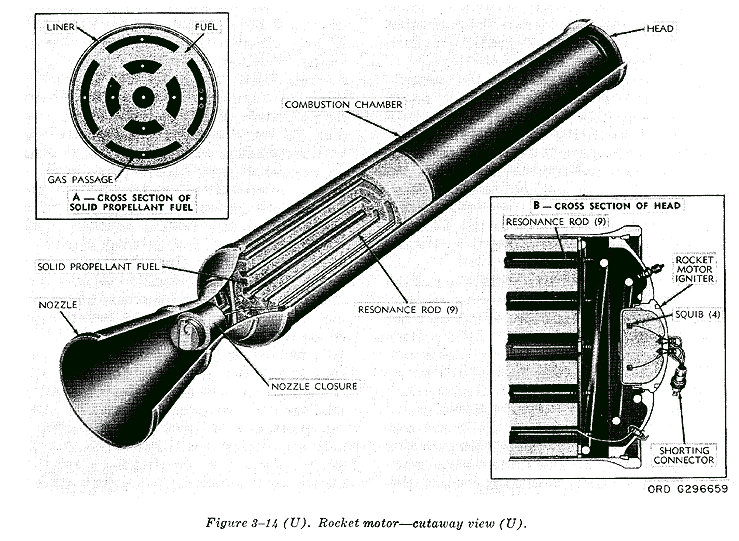
    Drawing of Hercules Solid Fuel Sustainer Motor from TM 9-1410-250-12/2 page 3-38. Size is 65 K bytes.

    This sustainer motor is almost (probably about 80%) as efficient pound for pound as the liquid fuel Ajax sustainer motor, but did not require the time consuming, difficult and hazardous fueling operations necessary with the Ajax. It was equiped with 8 electric heaters (and blankets) to help keep the fuel temperature above +10 degrees F. The sustainer motor was made by Thiokol.

    This material resembles that found in the Space Shuttle booster - the oxidizer is ammonium perchlorate and the fuel is synthetic rubber material and aluminum.

    (Some early test Hercules missiles had the Ajax chemistry sustainer motors, but these were never shipped to operational sites.)

    Return to top


    Nike Missile Guidance


    - also see TM9-5000-28 Nike I Missile Guidance Unit


    Nike Missile Electric Battery

    Nike missiles need electric power to operate the radio (Transponder) and decoder electronics. The power requirements were slightly higher because the transistor was not yet a rugged reliable device and tubes were used for all electronic amplification. It also had to power the hydraulic servo valves and the detonation of the explosive bombs. (The steering fin movements were powered by the hydraulic accumulator.)

    The Nike Ajax used a 28 volt silver-cadmium battery with potassium hydroxide as the electrolyte. This is a close relative of Edison's nickel-cadmium battery used in the Nike Hercules but with a little higher energy per weight. The battery was not charged during flight, it just supplied power.

    The physical size of the Ajax battery was similar to a motorcycle battery - about 6 inches by 4 inches by 4 inches. The Hercules battery was considerably larger due to higher power consumption and longer flight time.

    From Alfred E. Boggs
    About the batteries, the Ajax missile batteries, we would rebuild. They were individual cells connected together. They were taken apart and cleaned and tested and then reassembled and recharged.

    The Herk's had an entirely different battery. a one shot, no repair work.

    Return to top


    Nike Missile Transponder & Decoder

    The Missile Tracking Radar sent pairs of radar pulses separated by say 2.3 microseconds to the missile. As mentioned in Missile Tracking Radar (MTR), this helped the missile distinguish pulses from the MTR (Missile Tracking Radar). Also each site in an area used a different pulse separation so the missile will listen to only its own MTR.

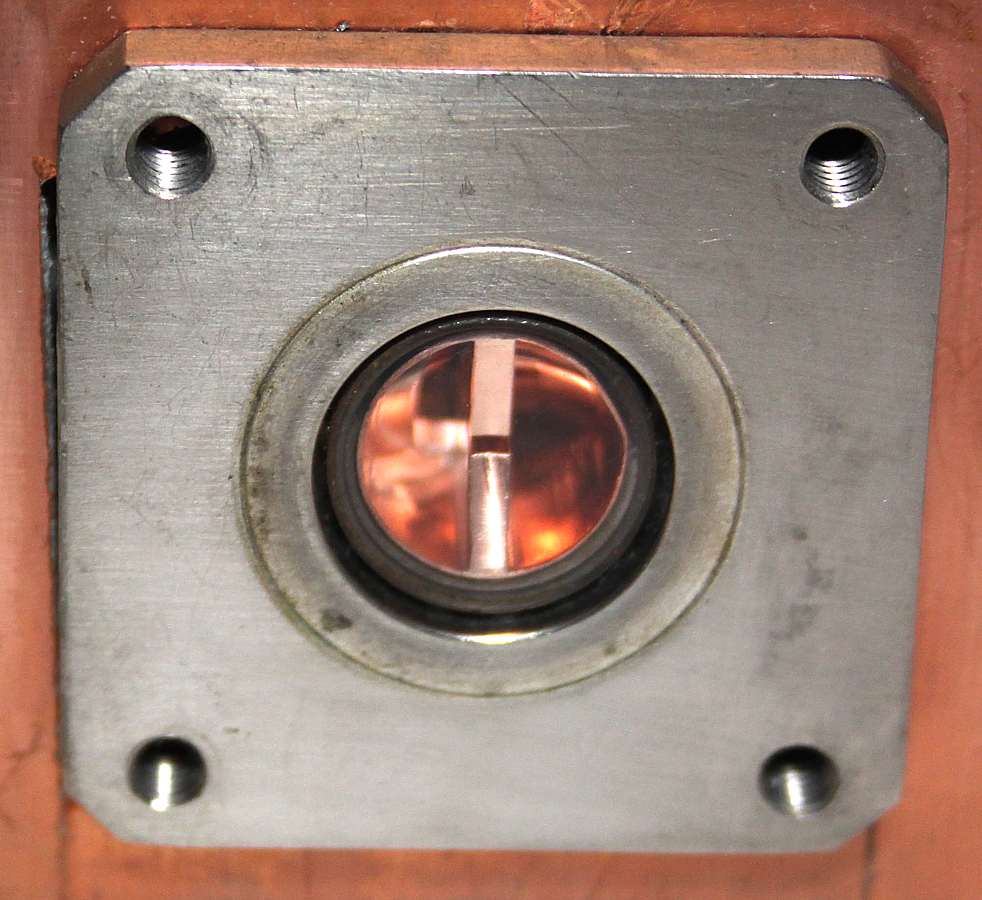
    The Nike missile had 4 microwave windows or antennas facing backward and a little to the side. Each antenna was 1 inch diameter and was able to pass 3 cm wavelength microwaves into and out of the missile. Antennas 2 and 4 were connected to the missile receivers. Antennas 1 and 3 were connected to the missile magnetron which was fired when the missile receiver received a correct pulse pair from the MTR. The missile's magnetron generated a peak power of 320 watts from the feedhorns.

    When the missile receiver detected a pulse separated from the preceding pulse by the correct time interval (an example could be 2.3 microseconds) the missile receiver signaled the missile transmitter to send a pulse back to the MTR. The MTR actually tracked the missile transmitted pulse, not the (much weaker) MTR pulses reflected back from the skin of the missile. The combination of receiver and transmitter operated in this fashion is called a Transponder.

    As mentioned in the Missile Tracking Radar (MTR) section, the computer sent steering commands to MTR, which converted the commands to tones. The voltage from the tones controlled the rate that the pulse pairs are transmitted. A higher voltage gave a higher rate of pulse pairs transmitted.

    The missile 'listened' for the rate of the pulse pairs, and detected the tones which controlled the MTR. These tones contained the steering and burst commands. These tones were then or decoded and sent to the steering and warhead sections.

    Return to top


    Nike Missile Steering

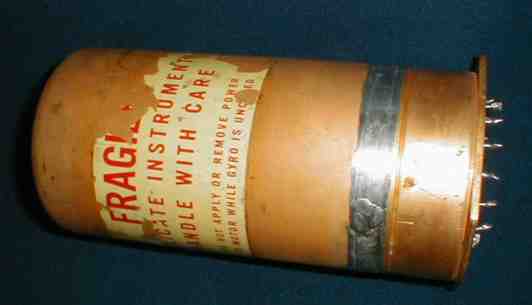
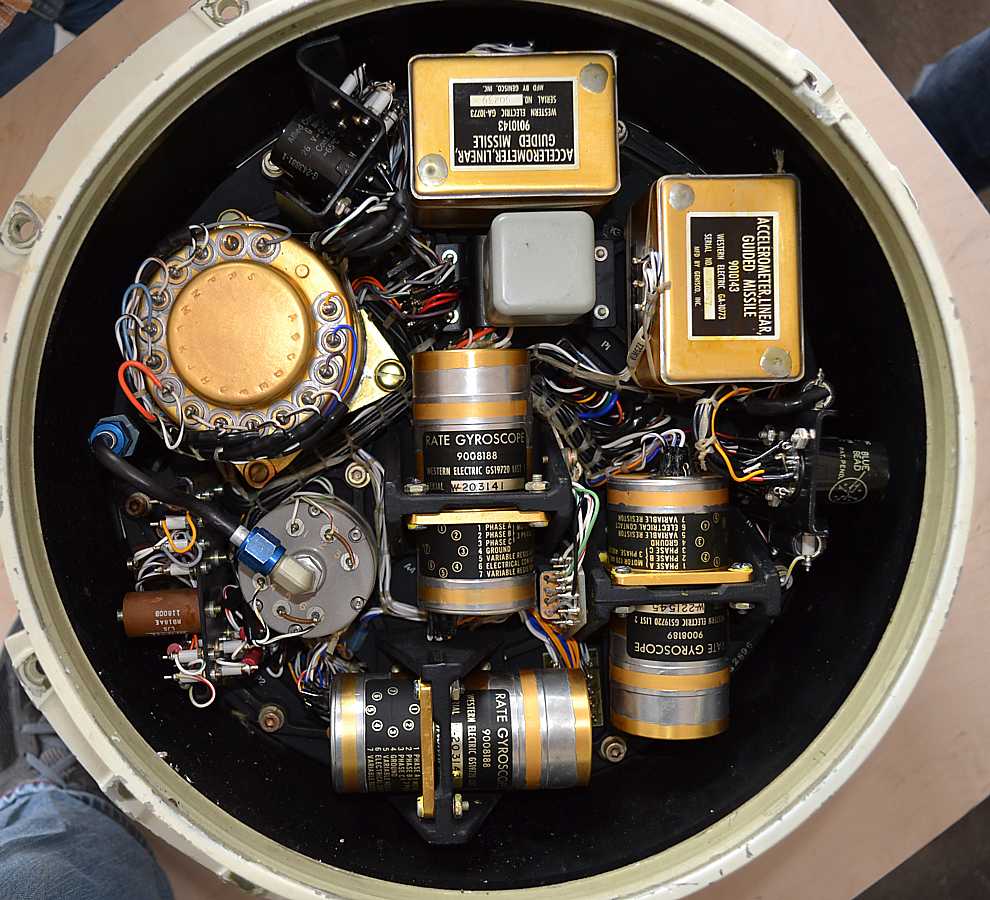
    The Steering (or "Guidance") section was responsible for accepting the steering commands, and causing the missile fins to move in a way to follow the steering commands. It also caused the missile to roll to keep its 'belly' downward as indicated by 1 of 3 onboard gyroscopes. Image courtesy of Jochen Zilg

    The steering commands were sent from the computer via the MTR as 'g's. 1 'g' is the 'force of gravity' at the earth's surface.

    There is more to steering than meets the eye. Remember when you started to drive a car - you had no idea

    1) what direction the wheels were pointed when you started
    2) how much to turn the wheel to cause the car to go quickly (but not too quickly), and with out overshoot into the desired direction. For a while you either understeered (did not move the wheel enough) or oversteered (moved the wheel too much). In servo terms, you soon learned how much to turn the wheel for a given desired correction (gain adjustment).
    3) how to keep the car from swerving back and forth about the desired direction until you learned to steer less hard as the car approached the desired direction (damping adjustment).
    4) you had to turn the wheel less at higher speeds or you skidded or threatened to roll the car.

    The car did not behave well, your friends got a chance to laugh - until they also had trouble. But you quickly learned to steer reasonably well.

    Similar type of steering control problems exist with most steering problems (boats, torpedoes, missiles, etc.) and must be corrected.

    The command decoder in the missile gives the g's requested by the computer. To provide good steering without "hunting" back and forth, other conditions are sensed
    • accelerometers tells the guidance system what 'g's the missile is doing right now.
    • potentiometers indicates the current direction of the fins
    • rate gyros indicate rate of change in missile attitude
    • static pressure and ram air pressure tell how high and fast the missile is flying. This changes the servo gain to provide good control at different altitudes and speeds
    These sensed conditions help provide smooth steering.

    The steering fins were at 45 degrees from "down" and the steering commands were similarly not up/down but up_left/down_right. This unexpected flying attitude permitted all of the wings to help the missile dive strongly (decreasing the 'dead zone') with out stressing the wings too much. There were two sets of steering controls, one for up_left and one for up_right. This included two accelerometers (oriented the 45 degrees from "down"). The accelerometers were little black boxes about 2x2x3 inches. They were suprisingly heavy, due to the large magnets inside to provide magnetic damping.

    Another function of the steering (guidance) was to roll keep the belly down so that the radars, computer, and missile had a common frame of reference. An on-board gyroscope provided the reference for the missile.

    The down direction was the same for radars, computer, and the missile. The missile belly was kept in a plane that included

    1. the missile itself
    2. the center of the earth (really down)

    To help keep the gyro from approaching the "gimbal limits" and "tumbling" the angle of the predicted point of intercept was sent to the gyro just before launch. The "spin axis" of the gyro was set perpendicular to this predicted point of intercept direction. The Nike can go about plus/minus 70 degrees azimuth from the predicted intercept point at launch time before its gyro loses its sense of direction.

    During the boost phase, the steering or guidance section keeps the missile going in a straight line and not rolling. The missile starts to roll to put its belly toward the predicted intercept point and down at booster separation.

    Return to top


    Nike Missile Hydraulics

    The Nike steering fin movements were powered by an 'hydraulic accumulator'. This 'accumulator' stored several quarts of hydraulic fluid at a pressure of about 2000 pounds per square inch.

    From Thomas Davis, August 2000
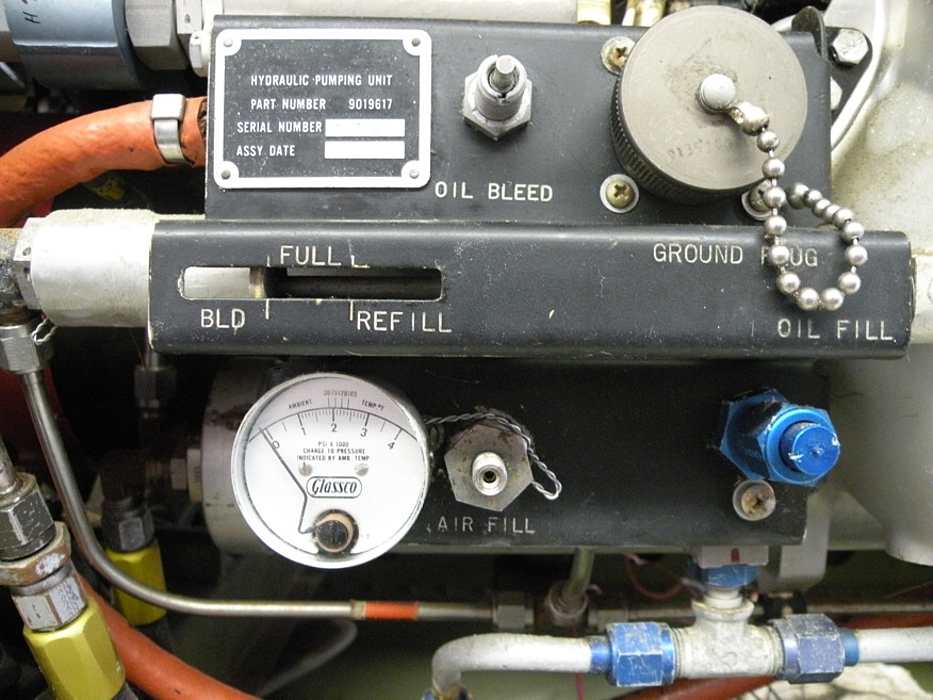
    That is correct for the Ajax, the accumulator was right behind the nose warhead, but the Hercules had an Auxiliary Power Supply (APS) to provide hydraulic pressure.

    Originally it was an engine run by an extremely volatile liquid fuel,

    Photos courtesy of Alec Gyofri,
    but some time around 1961 a battery powered APS was introduced.

    The new [battery powered] APS really improved things. The liquid fueled one was the number one maintenance headache for the direct support mechanics, because it had to be run each time the hydraulics were tested by the operating personnel, and then refueled.

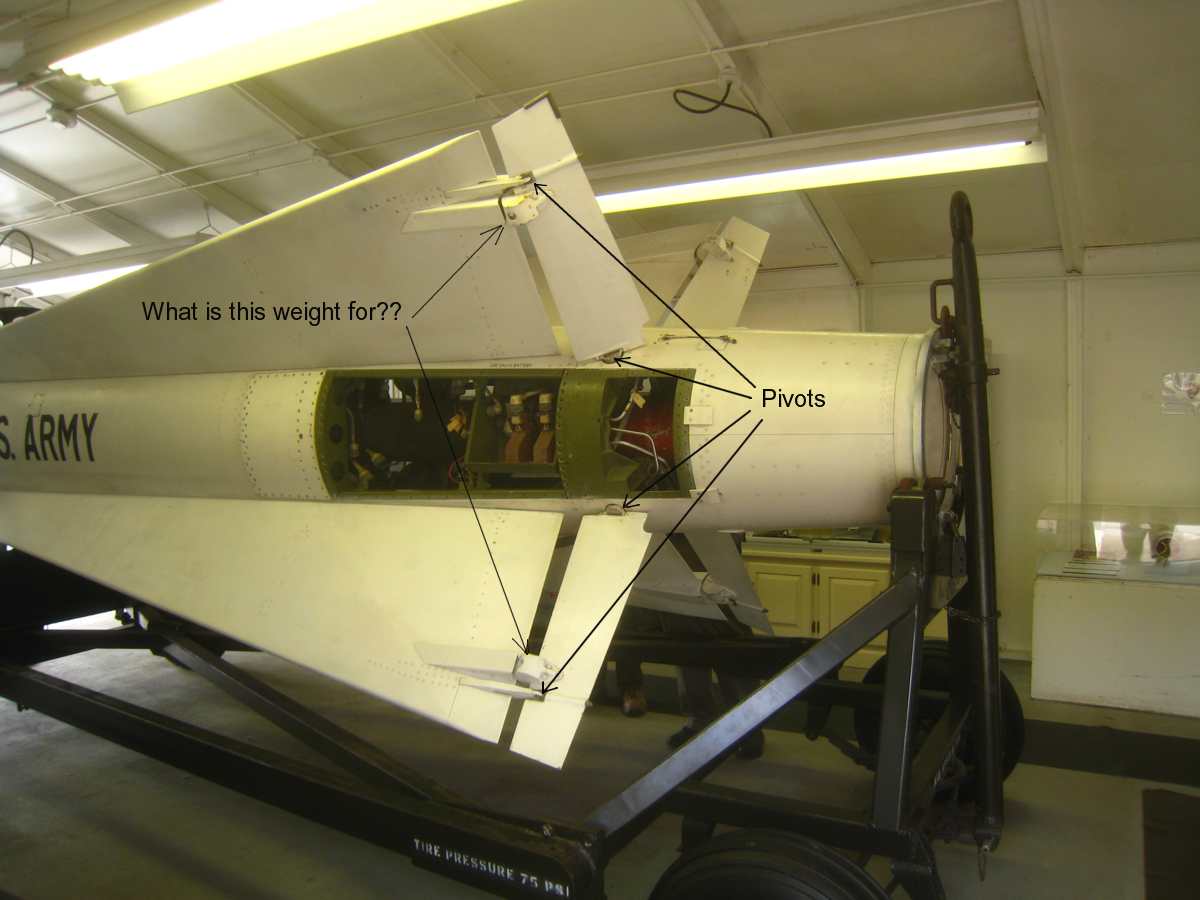
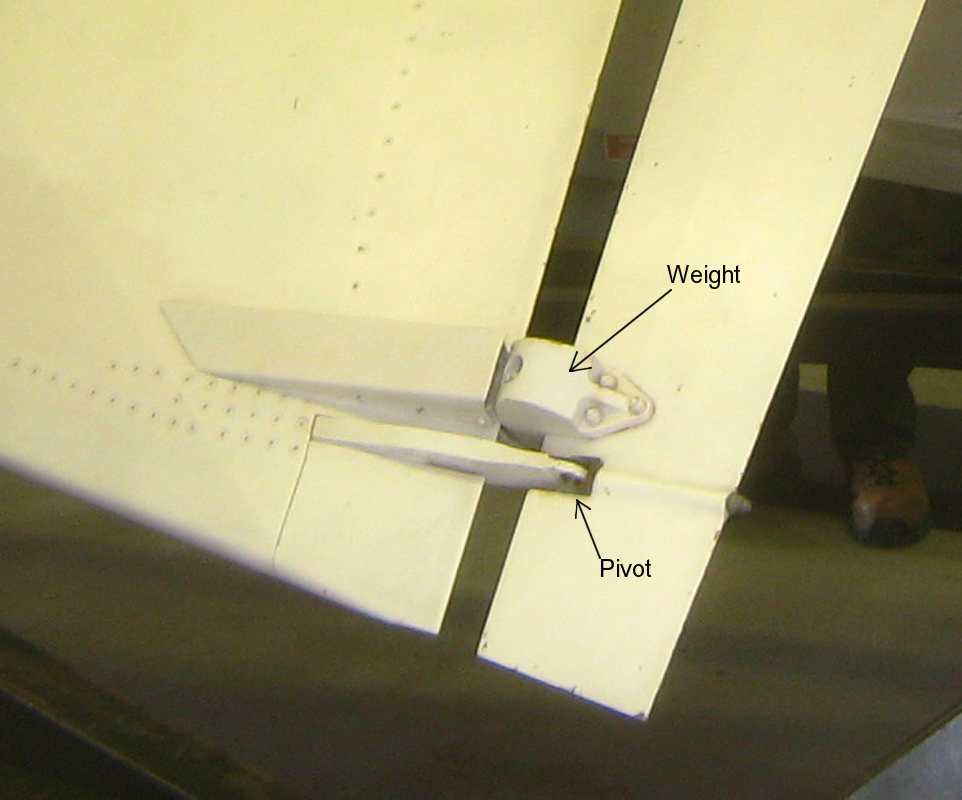
    The hydraulic fluid was controlled by small slide valves that did not take much energy. The hydraulic fluid pushed pistons which controlled the steering fin angles. A great deal of force was necessary to move the fins of the missile flying at supersonic speeds. The slide valves acted as power amplifiers.

    Return to top


    Shipment, unpacking, assembly, testing, local transportation

    The following section is from CWO Richard L. Mitchell. USA. Ret., Dec 31, 2000
    NIKE HERCULES OPERATIONS

    Shipping
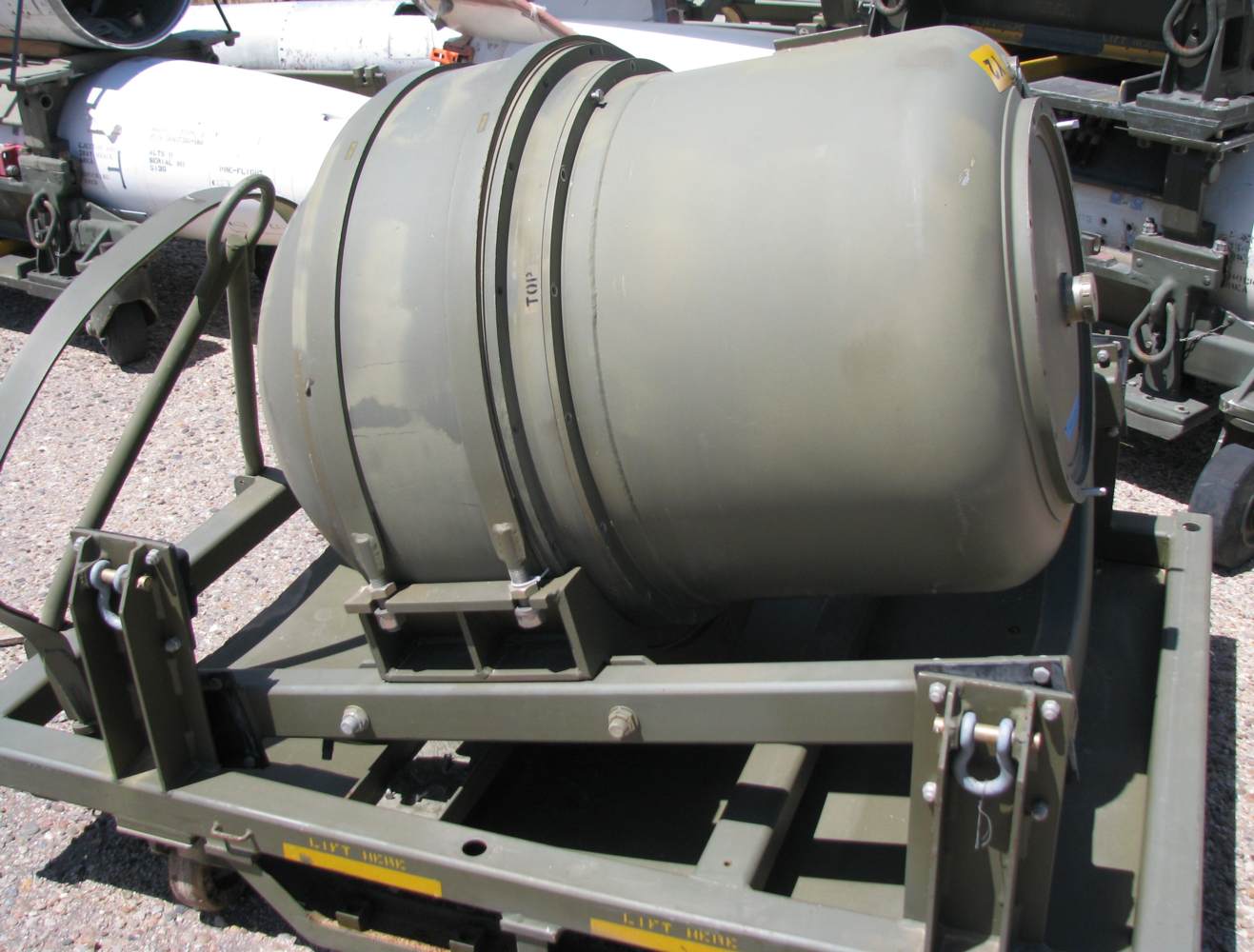
    The missile body section came shipped in a pressurized cylindrical steel container about 5 X 15 ft minus the warhead and with the nose and guidance section bolted to the main body section.

    • The guidance section and the APS (Auxilary Power Supply) or later the HPU (???) was already installed.
    • The Warhead, either frag or Nuke came in a separate, almost identical container, except it was only about 6 ft long.
    • The fins, elevons and hardware came in a wooden box as well as the motor.
    • Other items such as the baro probe (for Nukes) and the ignitors,squibs and other sundry items came in their separate containers.

    As you can see, this took a semi flatbed, two five tons a (precautionary) wrecker and a standby five ton to haul the stuff and a couple of deuce&halfs for guards and a jeep for the convoy commander. Especially in Europe.

    Another convoy of similar proportions was needed for the warhead (especially the Nuke). In Europe, the receiving battery provided everything but the flatbed with was provided by Bn. motorpool.

    OK, now the bird is on site at the Assembly building and the warhead building and unloaded. Now the warhead has to stay under armed guard as long as it is not inside the exclusion area. This is usually about three days for a good crew and four or five days for most.

    Assembly
    Assembly comes after inspection and unpacking.

    • The missile body comes first with four people and a wrecker operator.
    • The can is depressurized and rolled out of the can, inspected and beam attached, lifted and four segment rings are attached to the forward section just aft of the warhead junction, lowered onto the dolly and rolled in.
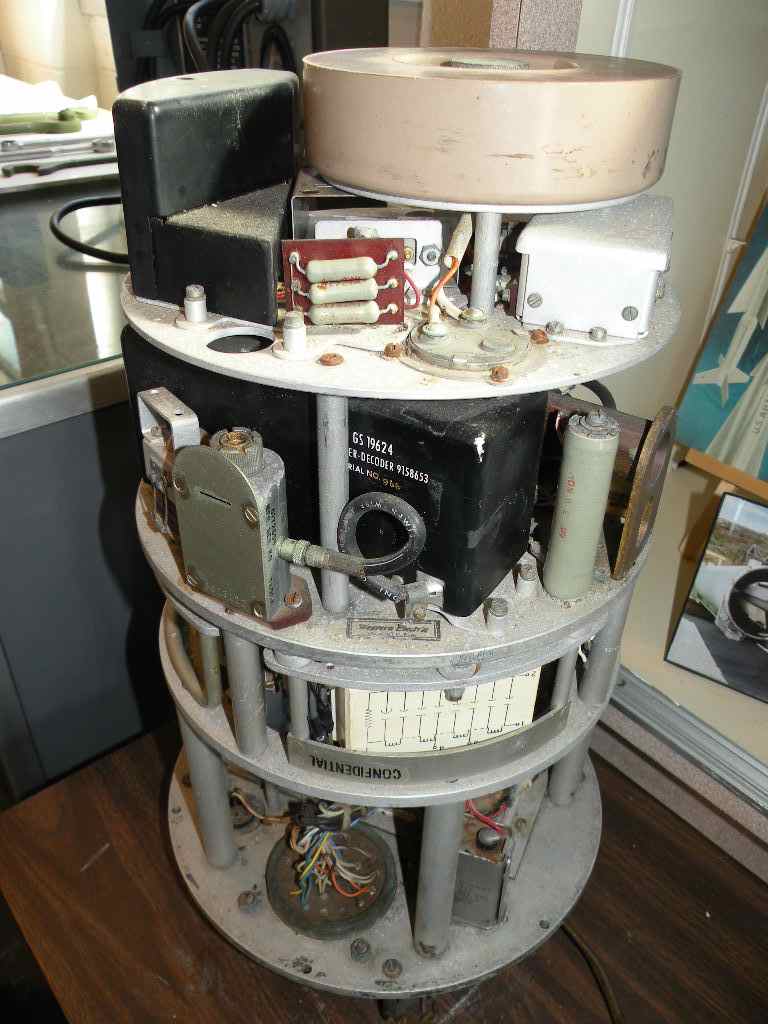
    • The guidance section and nose is removed and attached back to the body with a hinge assembly.

    Two types of guidance sections were used.

    • The old one was know as a stovepipe (tubes and hard wiring with caps,resistors and all circuitry epoxied to the board )
    • and the new one (solid state and hybrid )was a mushroom because thats what they looked like.

    The fins and elevons were unpacked and attached.

    The test equipment was attached and the hydraulic system charged. Then it was ready for checkout.

    CHECKOUT
    The RF test set and the electrical test set were mounted atop the hydraulic test set and operated by one man. (I had this job most of the time during my enlisted phase.) There were 1752 separate steps to RF test set calibration and missile check out. The CWO usually stood beside the operator with the book to check him out.

    (I did the operation once at McGregor Range so fast that the inspector CWO slammed the book shut and said "I have no idea what you did Sergeant or how you did it, but if your done, I'm done.") ( I said, "Sir, this is a good bird.") My CWO knew if I said so,it was right. so we went on from there.)

    The RF checks entailed

    • aligning the electronics zero with the mechanical zero,
    • frequency and missile code checks,
    • accelerometers and roll rate and position gyros check,
    • receiver and transmitter checks all the wiring merged,
    • hydraulics and baro checks.
    There was four people around the bird to make adjustments and movements. After the hydraulics came on it was deafening for about 20 minutes and everything had to be by signals so the crew had to be well trained.

    Next the nose and guidance was put on a dolly and the bird was rolled to the warheading area. Warhead operations usually didn't start till next morning.


    Warheading
    The revetted warhead area was a multifunction area. With the Ajax, it was a fueling, warheading and booster/bird mating area. With the the Herc, it was only warheading, motor installation and booster buildup. The Herc booster came in a cluster, so the field units had only to instal the fins. This was usually done the time the bird was ready to be joined.

    After towing the missile to the warheading area, the nose and transponder was usually hand pushed in after motor installation and warheading. The warhead can was unseal and "sniff checked" for radiological and radiation checks were made. (The crew wore dosimeters and an audio alarm was present too) The warhead was rolled out and bolted and torqued to the main body section. Then the fun began. The Warhead Test Set was hooked up and the No-NoGo tests were run. The Baro[meter] checks [to assure the warhead did not detonate near ground] and some others were performed . A NoGo indication meant that you had a malfunctioning Warhead with power hooked to it or you had a bad cable or crew error. (The guys in the other area seldom knew about the NoGos. Just the BC. Only once in many did I see a real malfunctioning warhead that had to be rejected and sent back.

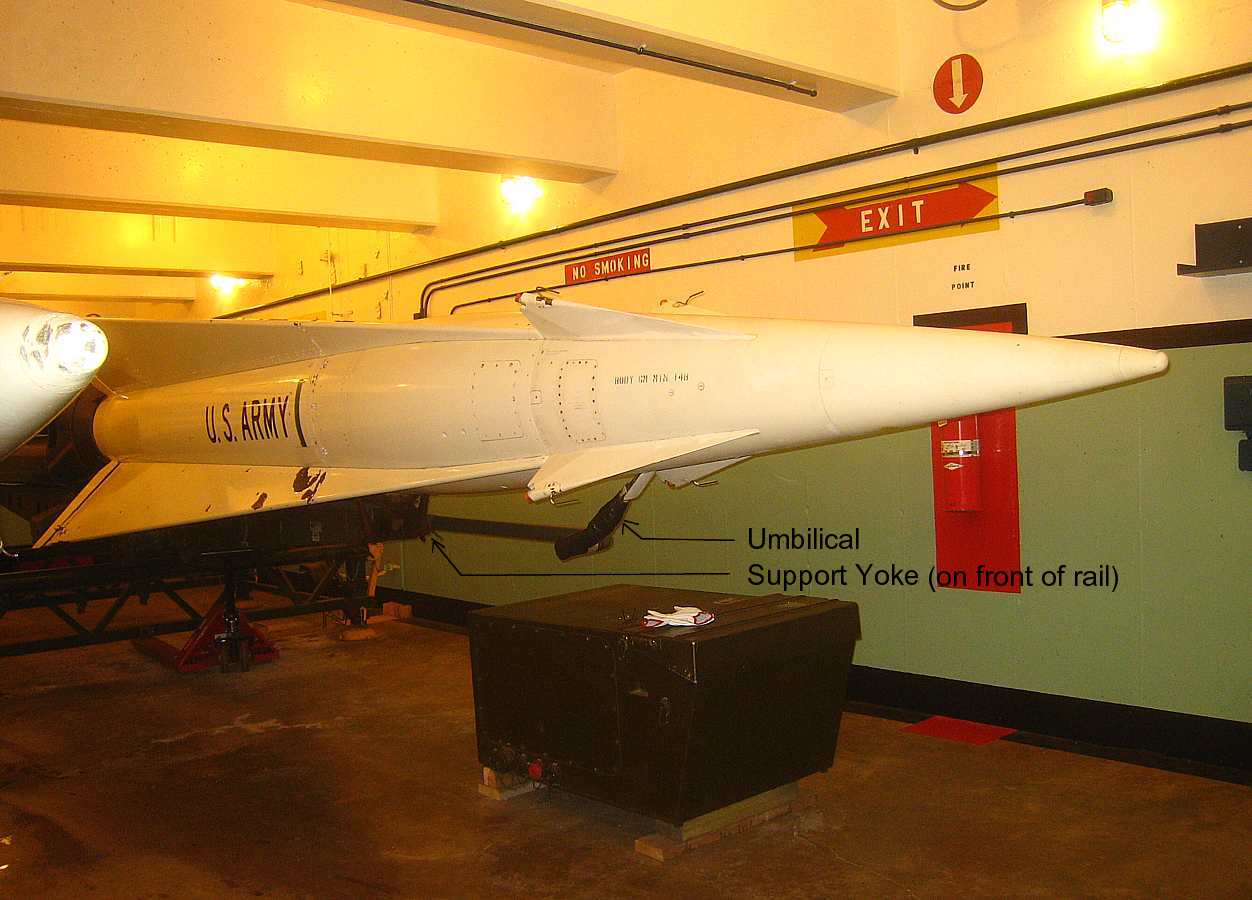
    Then the bird goes to the designated section and is joined to the booster. After joining and seating into the forward structure on the booster, the yoke is raised and seated and bolted tight The whole bird is raised to 35 degrees and brought down The yoke is checked or adjusted as needed and elevated again. This goes on until there is no need for adjustment, then the bird is raised to 87 degrees and the whole thing is done again. After the yoke is secured and wired, the bird is hooked up and elevated to 87 again for the MTR [Missile Tracking Radar] to lock on and command calibrate. After that, she's a Ready Round.

    The firing section crew of 5 to 8 men with an E5 or E6 is in charge now and has the bird. They must perform daily, weekly and assist in monthly checks. Daily consist of checking pressures, hydraulics and air. and other gauges and meters, cleanliness and general maintenance on all their equipment. Any fault found that they couldn't fix was for the Assembly and Maintenance crew to fix. They also had a 37 kW generator and four launchers to maintain. Besides the alert statuses, usually every third week we changed status or readiness. Low was 3 hrs then 1 hr, 30 min and 5 minutes. The crews had to stay 24 hours in the magazine on the 30 and 5s but, of course chow relief was made so they could eat.

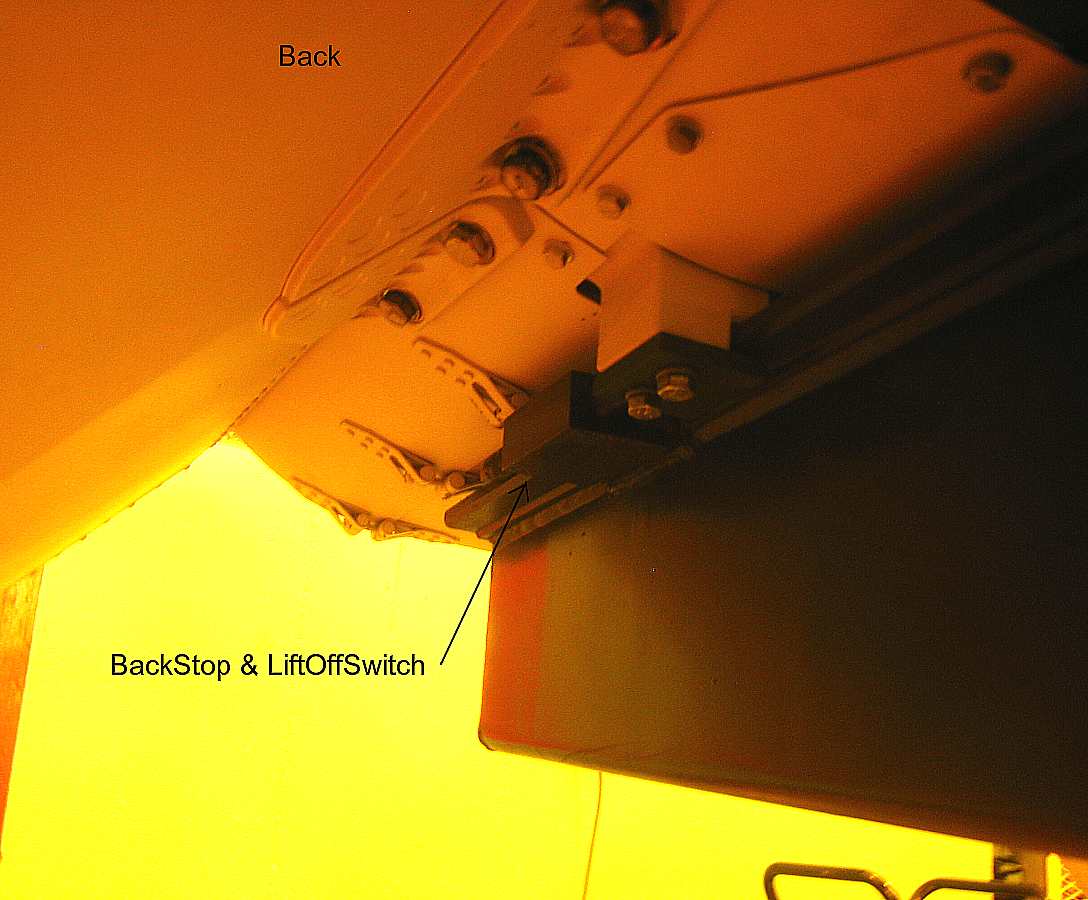
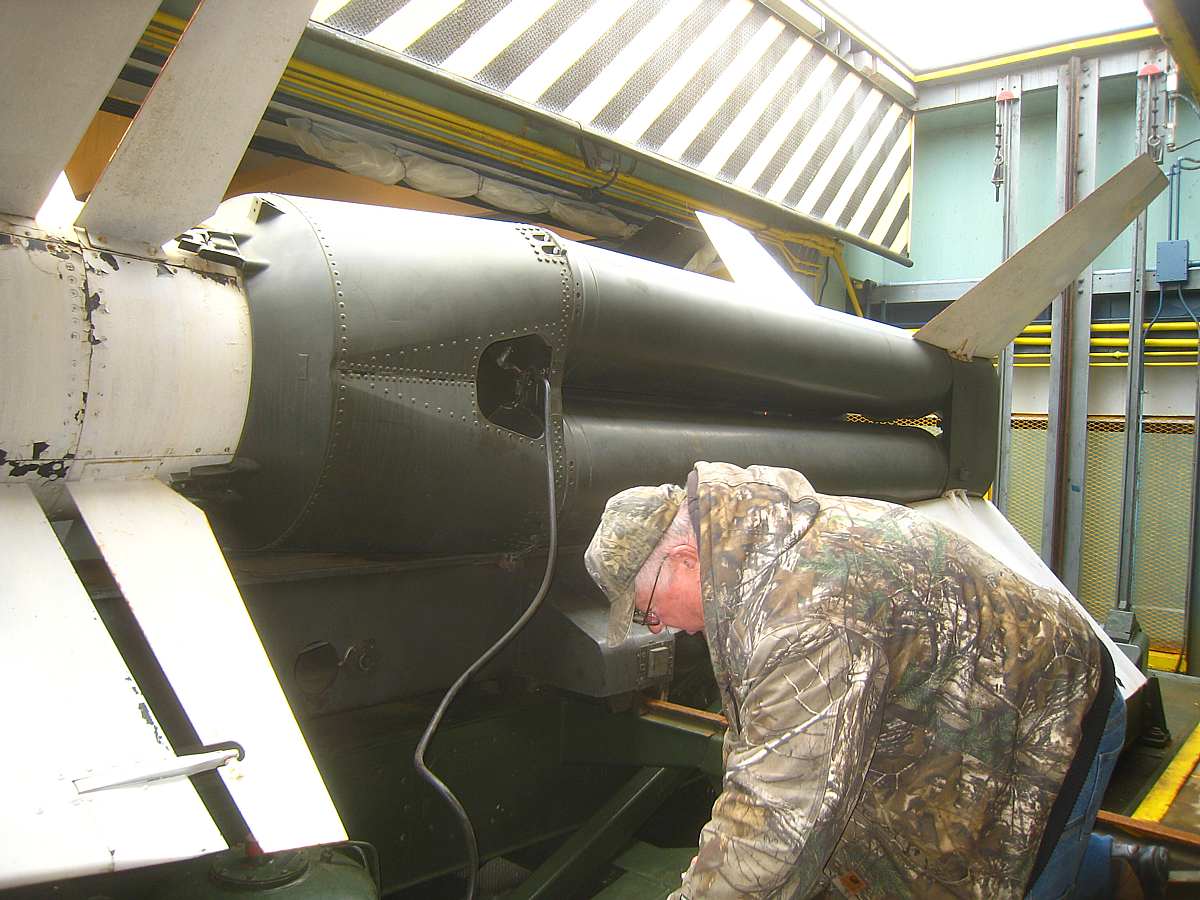
    During 30s and 5s four Hercs were loaded on the four launchers and on 5s the remaining arsenal was parked outside as possible in case of FOD during launch. In case of launch the adjoining round was loaded so two people was certainly now enough. There were mechanical rail stops around each round on both rails so it took a minimum of four for efficient operations. One of the most nerve wracking jobs in the section was hooking up the squibs to the boosters. This was done when the unit went to 5 minute status. The squib, or ignitor cable came out the back of the booster on both Ajax and Herc. The cable had to be megged [assure well insulated from ground] and continuited [assure a complete circuit is present] before hooking it to the firing cable. Keep in mind that you have your head almost inside the booster nozzle when this is done. The two man rule prevailed so your buddy could go with you [like you both could be killed].

    During weekly checks the birds were all rolled out or brought up and elevated one at a time and turned on. The APS test motor was running so no Ethylene oxide was being burned or no HotShot batterys were fired to get hydraulic pressure. The MTR locked on and sent commands. The section chief verbally read the elevons movements as the MTR sent the commands, including 25+G pitch (Which was command burst)

    Monthly checks were the responsibility of the A&T. Usually one electech and one mechtech did the job. This entailed hooking the RF test set to the bird and completely checking the guidance section almost like it was done initally, Sometimes a section crewman would help and sometimes only the electech had to do it all alone.

    It seems, in retrospect we were continually tearing down and rebuilding missiles for one reason or another. Seems that the powers that be could never get an item's shelf life coordinated so that they all came due at the same time. I remember tearing down a bird three times in one year, just for shelf life. Once in Germany, we had five birds down for a bad lot of ethylene in the APS. We were waiting for the chopper to bring us new ones and take the contaminated ones when we went to DEFCON2 or 3 for the Cuban missile thing. Boy, did we hustle for a few days.

    To fuel the APS we had to wear only a hood, rubber gloves and a rubber apron. For fuel on the Ajax we wore "Oil cloth "coveralls and a jacket., a hood and gloves. Over that was a Scott Air Pack with about 30 minutes of air. We had to take a break and change tanks and all the equipment before we could change from fuel to oxidizer. Usually one in the morning and one in the afternoon.

    The [Launcher] section configuration was not at all uniform. There were underground magazines with storage rails downstairs and upstairs. The only missile that could come up magically out of the ground was the last one, out on the elevator mounted launcher. In Europe and NATO most of the sites were above ground Like in Alaska, and at Deep Creek in the Offit defense [areas]. Some had nylon/plastic cover that zipped off and some were in air-supported tents with zippers. In Europe the sites I was on or visited had large hangers with big roll up doors and everything was on one plane.

    Personnel was usually not a problem for the lower enlisted grades. Most were eager and honest. I can't say the same for some of the senior NCOs. Some were riffed [Reduction In Force ED] officers from WW2 and never let you forget it. In my opinion that was a bad program. Bad officers don't make good NCOs. Most of the Commissioned Officers were OK, once they got they permanent teeth. I have some appalling tales and some funny ones about some of the 2d Lts I've seem and had as my Platoon Leader. But thats a lot more than I want to type right now.

    CWO Richard L. Mitchell. USA. Ret.

    From Terry Kerns June 22, 2001, answering a question from
    . The Herc could never be on the rail by itself there was no way to support it without the booster being there. If you could e mail me those pictures i would sure like to see what your talking about terry445@raex.com always glad to answer any question i can terry

    From Peter Snöberg June 22, 2001
    I dug up a coupe of pictures for you. See:
    • http://www.nikemissile.net/misc/missile_dolly.jpg
      The sustainer section in missile_dolly.jpg is minus the warhead section so it's few feet shorter than it would be at loading. (please excuse the tarps)

    • http://www.nikemissile.net/misc/ready_round_transporter.jpg
      ... a picture of the missile transporter at SF-88 ... it was a trailer with short rails on it and a couple of extension pieces that connect to the rails above the magazine. Hydraulic shocks were compressed with a hand pump (that was built into the transporter) to cause the whole thing to squat down to match the height of the rails. Perhaps one of these guys with real experience will add some details.

    Return to top


    About Nike Launchers

    (I did not work on missiles nor launchers - so I depend upon the expertise of others.)

    A picture and text of a Hercules launcher from a tour of SF-88.

    Mary Rasa, Curator of NY-56, Ft. Hancock, asked for a weight estimate of the Hercules launcher. Ronald W Parshall responded with

    "My book says the launcher is 11,941 LBS. It recommends a lifting capacity of 12,500 lbs"

    E-mail from Bud Halsey, former manager of SF-88

    Generally, the launchers used for the Nike Ajax missile were the M-22 or the M-22A1 launcher. When coupled with five missile rack sections and some control elements, they were called the M-26 or M26A1 "launcher loaders". The Nike Ajax launcher was relatively small with what looked like tripod legs.

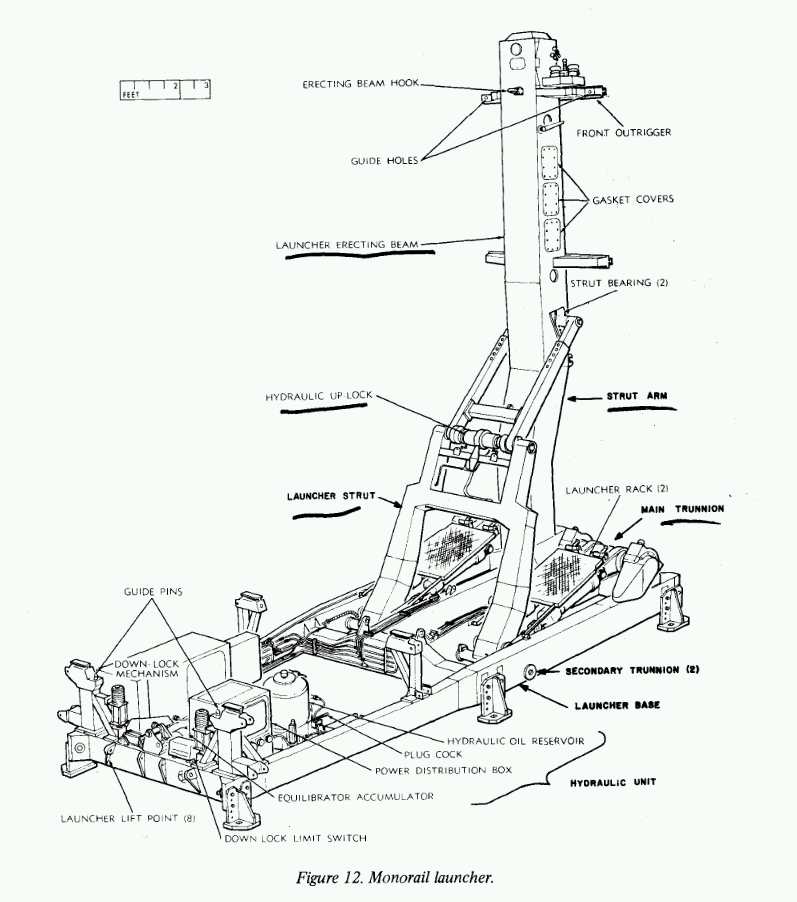
    The Nike Hercules missile launcher was called the M-36E1 monorail launcher. It often had rack sections attached to it also. The M-36E1 was a steel rectangle with electric and hydraulic components and a large erecting beam supported by movable supports. It was quite a bit bigger than the Nike Ajax launcher and it weighed about 7 tons. There was also a mobile Nike Hercules launcher (M-94) which consisted of an M-36E1 launcher with jack stands, an axle and kingpin section, and a portable blast deflector.

    Nike Ajax missiles could be launched from a Nike Hercules launcher. There are literally dozens of pictures showing Nike Ajax missiles on Hercules launchers (to include the "unusual photo"). After Red Canyon Missile firing range was closed, Nike Ajax missiles were fired from McGregor Range. Well into the Nike Hercules era, units on their annual SNAP exercises, fired both Nike Ajax and Nike Hercules missiles from McGregor Range. This was an attempt to "use up" stocks of old Nike Ajax missiles still on hand plus the Nike Ajax missiles were cheaper than the Nike Hercules missiles.

    Return to top


    About Nike Launcher Control

    (Aug 4, 1998 - just realized that there is little on launcher control on this site.
    Now starting to fill the gap.)

    The following is preliminary, non-authorative.

    Major launching area launching components are:

    • Launchers, mentioned above
    • Missile racks, attached to launchers, holds ready missiles for quick firing
    • Launch Control Trailer (LCT), has the test transponder and a launch control box
    • Lots and lots of heavy cables to connect things together
    • In the U.S. (to save room), underground missile storage and an elevator. The launch control box would be setup or duplicated underground.
    Hopefully more info soon.

    Return to top


    Flight of the Nike Booster

    The Nike booster burned for 3.4 seconds, then ran out of fuel. At that time the booster and its missile was about a mile high, going almost straight up at 1,800 miles per hour. The big fins of the booster had more drag than the sleek Nike missile, so the booster was slowed faster than the missile. The speeding missile pulled out of the booster adapter, and in about a second, the missile was sent diving toward the predicted intercept point.

    The booster was still going almost straight up, trailing white smoke from the scorched paint on the hot steel of the booster body. So much smoke in fact, that the eye tended to follow the more spectacular smoking booster rather than the less smoky (especially Ajax) Nike missile. The booster continued streaking skyward, alone, untracked, finished, unwanted, a liability, to over 50,000 feet.

    By then (about 40 seconds after launch) gravity and air drag had slowed the booster to a stop. The booster started to fall backward, the fins caught the air and flipped the booster to point downward. By now the steel tube has cooled and is no longer smoking much. The Nike missile may have already reached the target and exploded. The Missile Tracking Radar may have already locked on to a new missile, and that new missile may be flying.

    Down, down, faster and faster, the old booster falls toward an area about a mile from the launcher. The booster falls relatively quitely for another 40 seconds, then WHAM! Silence! A minute and one half after launch, the booster's steel body has slammed almost straight into the ground or water. The sudden stop rips the tail fins off. If the ground is the hard desert test missile range, about 5 feet of the 10 foot steel tube sticks out of the ground, finless, like a fat fence post.

    Return to top


    Interesting Nike Missile Trivia

    • Nikes used a silver/cadmium electric storage battery (saved weight)

    • Nikes used a hydraulic system to move their control fins. The energy was stored in an "accumulator" pressurized to 2000 pounds per square inch.

    • The missile flew with their fins in an "x" orientation to the ground, rather than in an "+" orientation to the ground. In other words, no fin pointed at the ground, all fins were at 45 degrees to the ground. (This will be the "up/left" type direction seen later.) This orientation allowed a higher g force dive without breaking fins or increasing drag too much.

    • Nikes received their guidance signals from the Missile Tracking Radar as pulse pairs (to reduce accidental and intentional jamming). Each site in an area had a different number of microseconds (called between the first pulse of the pair and the last pulse of the pair.

    • The time difference (like musical tones) between different pulse pairs provided the steering and burst signals. One frequency range controlled one direction (the up/right-down/left direction), another frequency range controlled the other direction (the up/left-down right direction) and another frequency caused the missile to explode.

    • Nikes were launched (almost) straight up, so they could go in any direction easily with out having to rotate the heavy launcher. (Almost) straight up so that the booster would not land too near the launching site.

    • The launcher were slightly tilted to the "booster landing area", a 3 mile diameter area where the empty boosters were most likely to land. This location of this area caused most of the site placement problems - it was large and it made people nervous. (It was large and indefinite primarily because the wind is indefinite. A Nike could be launched in a stiff breeze - lets say 45 miles per hour. The booster, with its large tail fins,would be subject to that wind for about 90 seconds. In 90 seconds, the wind would go 1 mile.)

    • When a Nike launched, it left so fast that it was very difficult to photograph. Most photos made of a launch missed the missile. 25 g's far exceeds most human experience, except for the acceleration of a struck ball, such as golf, base or tennis.

    • From the www.nikesite.org Guestbook
      "Bill Fiorentino SteelPrize@worldnet.att.net
      Huntsville, AL USA Sunday, February 16, 1997 at 16:19:00
      Comments: Package training with Ajax at Ft. Bliss '56.
      On site at Fairchild AFB, Spokane Washington '57-'58.
      Lchr Plt Ldr, Bty XO, C Bty, 10th AAA Msl Bn.
      Shot 6 at McGregor; hit 6. The system worked!!!"
    Return to top


    From FM 44-1-2 ADA Referennce Handbook, 15 June 1984, see page 21 "Rings of Supersonic Steel"


    If you have comments or suggestions, Send e-mail to Ed Thelen

    Return to Home,
    Goto Next Section
    Return to top

    Updated December 20, 2007